Senior health
Growing older brings wisdom, experience, and often a deeper appreciation for what matters most. Yet it also introduces health considerations that differ fundamentally from those faced in middle age. The body processes medications differently, symptoms present in unexpected ways, and conditions that seem unrelated often interconnect in surprising patterns. Understanding these nuances can mean the difference between thriving independently and facing preventable decline.
Senior health extends far beyond managing individual conditions. It encompasses cognitive resilience, emotional wellbeing, social connection, and the often-overlooked art of navigating a healthcare system designed for single-problem consultations. Whether you are approaching retirement or supporting an older relative, grasping these interconnections empowers better decisions and conversations with healthcare providers.
This resource explores the key dimensions of health after 65, from recognising subtle warning signs to understanding why loneliness affects physical health as profoundly as smoking. Each section introduces concepts that dedicated articles in this category examine in greater depth.
Why Does Senior Health Require a Different Approach?
A 70-year-old experiencing fatigue faces a diagnostic puzzle that would rarely apply to someone decades younger. The symptom might signal anaemia, heart failure, depression, thyroid dysfunction, or simply medication side effects. This complexity explains why geriatric medicine exists as a distinct specialty—treating older adults requires understanding how multiple systems interact.
The body changes significantly after 60. Muscle breaks down faster than it rebuilds, a process called sarcopenia. Kidneys filter medications more slowly, meaning doses appropriate for younger patients can accumulate to dangerous levels. The immune system responds differently to infections, sometimes mounting less fever despite serious illness. These shifts demand adjusted expectations and monitoring approaches.
Perhaps most importantly, the goals of care often change. Rather than aggressively treating every measurable abnormality, the focus frequently shifts toward maintaining function, independence, and quality of life. A blood sugar target that makes sense at 60 might cause dangerous hypoglycaemia at 80.
Recognising Warning Signs Before They Become Emergencies
Early detection transforms outcomes in senior health, yet many warning signs go unrecognised because they develop gradually or mimic normal ageing. Research suggests that a significant proportion of UK seniors miss early indicators of reversible functional decline, often attributing symptoms to inevitable ageing rather than treatable conditions.
Fatigue That Signals More Than Ageing
Tiredness accompanied by specific patterns warrants investigation. Watch for fatigue that:
- Worsens progressively over weeks rather than fluctuating
- Prevents activities you managed comfortably months earlier
- Accompanies breathlessness during routine tasks
- Fails to improve despite adequate sleep
- Coincides with unintentional weight changes
These patterns distinguish potentially concerning fatigue from the normal energy adjustments of later life.
The Domino Effect of Ignored Symptoms
Minor problems cascade when left unaddressed. Mild arthritis pain leads to reduced walking, which weakens muscles, which increases fall risk, which causes fractures, which triggers hospitalisation and sometimes depression. Understanding these chains helps prioritise early intervention for seemingly minor complaints.
Cognitive Health: Protecting Your Mind Beyond 70
Brain health concerns nearly everyone approaching later life, yet misconceptions abound regarding what actually protects cognitive function. The brain retains remarkable neuroplasticity—the ability to form new connections—well into advanced age, but activating this capacity requires the right stimulation.
Why Familiar Puzzles Stop Helping
Completing the same crossword or Sudoku daily eventually becomes automatic, engaging procedural memory rather than building new neural pathways. Research indicates that brain training apps often improve performance on similar tasks without transferring benefits to real-world memory challenges like remembering shopping lists or recognising faces.
Genuine cognitive protection comes from novelty and challenge. Learning a new language, musical instrument, or complex skill forces the brain to create fresh connections. Teaching skills to others activates memory centres in ways passive puzzles cannot reach.
Building Cognitive Reserve
Some individuals with significant Alzheimer’s pathology visible on brain scans never develop symptoms. This phenomenon, called cognitive reserve, reflects accumulated neural connections that provide alternative pathways when disease damages primary routes. Building this reserve involves:
- Continuous learning of genuinely new skills
- Social engagement requiring complex interaction
- Physical exercise, particularly activities combining movement with mental demands
- Quality sleep, which clears brain toxins accumulated during waking hours
The sequence matters too—combining exercise, improved diet, and social activities in the right order maximises protective effects.
The Hidden Health Crisis of Loneliness
Loneliness affects physical health as profoundly as smoking fifteen cigarettes daily, yet GPs rarely screen for it despite evidence that social isolation predicts dementia more reliably than genetics in some studies. The NHS has begun prescribing social activities as medical interventions, recognising that connection constitutes healthcare.
Clinical Isolation Despite Social Contact
Surprisingly, someone with weekly visitors can remain clinically isolated. Meaningful connection requires depth, not just frequency. Brief, superficial interactions fail to provide the neurological and hormonal benefits of genuine relationships. Living alone after 75 correlates with significantly elevated heart attack risk, independent of other factors.
The Vicious Cycle With Chronic Conditions
Loneliness worsens diabetes control, and poorly managed diabetes increases isolation through reduced energy and mobility—creating a self-reinforcing cycle. Breaking this pattern requires addressing both the physical condition and the social disconnection simultaneously.
Mental Health After 65: Why It Goes Undiagnosed
Depression and anxiety in over-65s remain dramatically underdiagnosed in UK primary care. One reason involves atypical presentation: rather than expressing sadness, older adults with depression often report physical symptoms—fatigue, pain, digestive problems, or sleep disturbance. Healthcare providers may investigate physical causes without considering mood disorders.
Additionally, persistent attitudes that low mood is normal at advanced ages create barriers. When patients hear that sadness is expected given their circumstances, they may not pursue further help. Yet effective treatments exist, and NHS Talking Therapies accept referrals for older adults just as they do for younger patients.
Early intervention dramatically improves outcomes. Seeking help for low mood before it deepens can prevent psychiatric admission and the functional decline that accompanies untreated depression.
Managing Chronic Conditions in Later Life
Heart disease, osteoporosis, and diabetes all require adjusted approaches after 65. Treatment targets and risk-benefit calculations change with age and overall health status.
Heart Health Challenges
One in three UK seniors lives with undiagnosed heart conditions, partly because symptoms present differently. Heart disease in over-75s often manifests as confusion rather than classic chest pain. An irregular heartbeat multiplies stroke risk substantially, making detection crucial even when symptoms seem minor.
Bone Density and Fracture Prevention
Understanding bone density T-scores helps assess fracture risk. The difference between -1.5 and -2.5 represents vastly different hip fracture probabilities. DEXA scans provide crucial monitoring, though obtaining referrals sometimes requires advocating firmly with GPs about individual risk factors.
Diabetes Management Evolution
Tight glucose control that benefits younger diabetics can cause harm after 75. Hypoglycaemia poses greater dangers when reaction times slow and recovery takes longer. Many specialists now recommend higher target blood sugar ranges for older patients, prioritising safety over aggressive numbers.
Navigating NHS Care Effectively
The NHS excels at treating individual conditions but often struggles with coordination when patients have multiple interacting problems. Seeing four different specialists without communication between them can worsen overall health even as each condition receives technically competent treatment.
Comprehensive Geriatric Assessment
This holistic evaluation examines medical conditions, medications, functional ability, cognitive status, nutrition, and social circumstances together. Requesting one provides a coordinated view rather than fragmented specialty care.
Maximising GP Appointments
Summarising five conditions concisely helps GPs address everything within time constraints. Preparing a prioritised list, mentioning the most urgent concern first, and bringing written notes about symptoms improves appointment effectiveness. Being transparent about supplements prevents interactions that GPs cannot anticipate if unaware of what patients take.
Senior health involves complex interactions between body, mind, and social connection. Understanding these relationships empowers better self-advocacy and more informed conversations with healthcare providers. The articles throughout this category explore each dimension in detail, offering practical strategies for maintaining wellbeing and independence in later years.

Why Does Tight Glucose Control After 75 Sometimes Cause More Harm Than Benefit?
The goal of diabetes management after 75 fundamentally changes: prioritising your quality of life and preventing dangerous low blood sugar (hypos) becomes more important than achieving the strict glucose targets of a younger person. Relaxing targets is an evidence-based medical…
Read more
Why Do 1 in 3 UK Seniors Live With Undiagnosed Heart Conditions?
Contrary to common belief, chest pain is often not the primary sign of heart trouble in seniors; it’s subtle changes like fatigue, confusion, or breathlessness that signal danger. Atypical symptoms in those over 75, such as sudden confusion, are often…
Read more
What Does Your Bone Density T-Score Actually Mean for Your Fracture Risk?
Your T-score is more than a diagnosis; it’s a measure of your bone’s structural integrity, where small changes can exponentially increase fracture risk. Treatment decisions, particularly between options like Bisphosphonates and Denosumab, must be personalised, especially considering factors like kidney…
Read more
Why Does Catching High Blood Pressure 6 Months Earlier Save £4,000 in Hospital Costs?
Contrary to the belief that health checks are just for finding disease, their true value lies in being a strategic investment that preserves your functional independence and financial well-being. Detecting a problem like high blood pressure early avoids costly emergency…
Read more
Why Does Every NHS Specialist Treat One Condition While Your Overall Health Declines?
The NHS’s hyper-specialised structure often fails seniors with multiple conditions, treating isolated organs while the person’s overall function declines. Fragmented care creates dangerous “prescribing cascades” and increases the risk of hospital readmission. To counteract this, you must shift from being…
Read more
Why Do Some People With Alzheimer’s Brain Pathology Never Show Symptoms?
Contrary to popular belief, a university degree or a complex career does not grant permanent immunity to dementia; it only masks the symptoms for longer. True neurological protection comes from actively and continuously challenging the brain in specific ways throughout…
Read more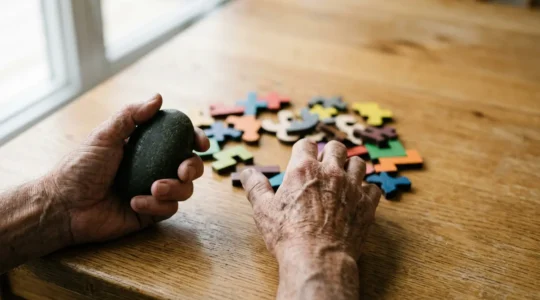
Do Memory Games Actually Prevent Dementia or Just Make You Better at Memory Games?
Contrary to popular belief, most commercial brain training games do not prevent dementia; they primarily improve your performance on the game itself, a phenomenon with little real-world benefit. True cognitive resilience is built by acquiring new, complex skills that create…
Read more
Why Do 80% of Brain Training Apps Fail to Improve Real-World Memory?
Most brain training apps fail because they only make you better at the game itself, not at real-world memory, a phenomenon known as “transfer failure.” Repetitive puzzles lead to “automaticity,” where the brain stops being challenged and no new neural…
Read more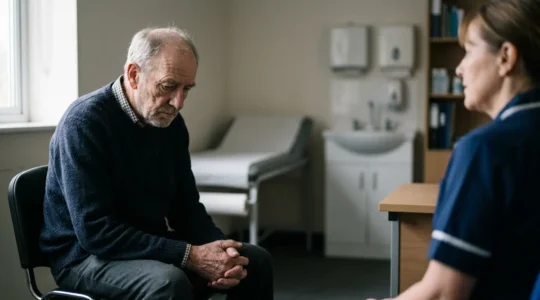
The Hidden Epidemic: Why 70% of Depression in UK Seniors Is Missed and What You Can Do About It
Contrary to the common belief that persistent low mood and fatigue are a ‘normal’ part of ageing, they are often signs of a treatable medical condition that is systematically overlooked in UK primary care. Depression in seniors often manifests as…
Read more
Why Do Some 85-Year-Olds Stay Sharper Than 65-Year-Olds (And How You Can Be One of Them)
Contrary to popular belief, simply doing daily crosswords won’t protect your brain from decline; the key is strategic, effortful new learning that builds real resilience. Real-world cognitive gains come from ‘far transfer’ activities like learning a language, not the ‘near…
Read more