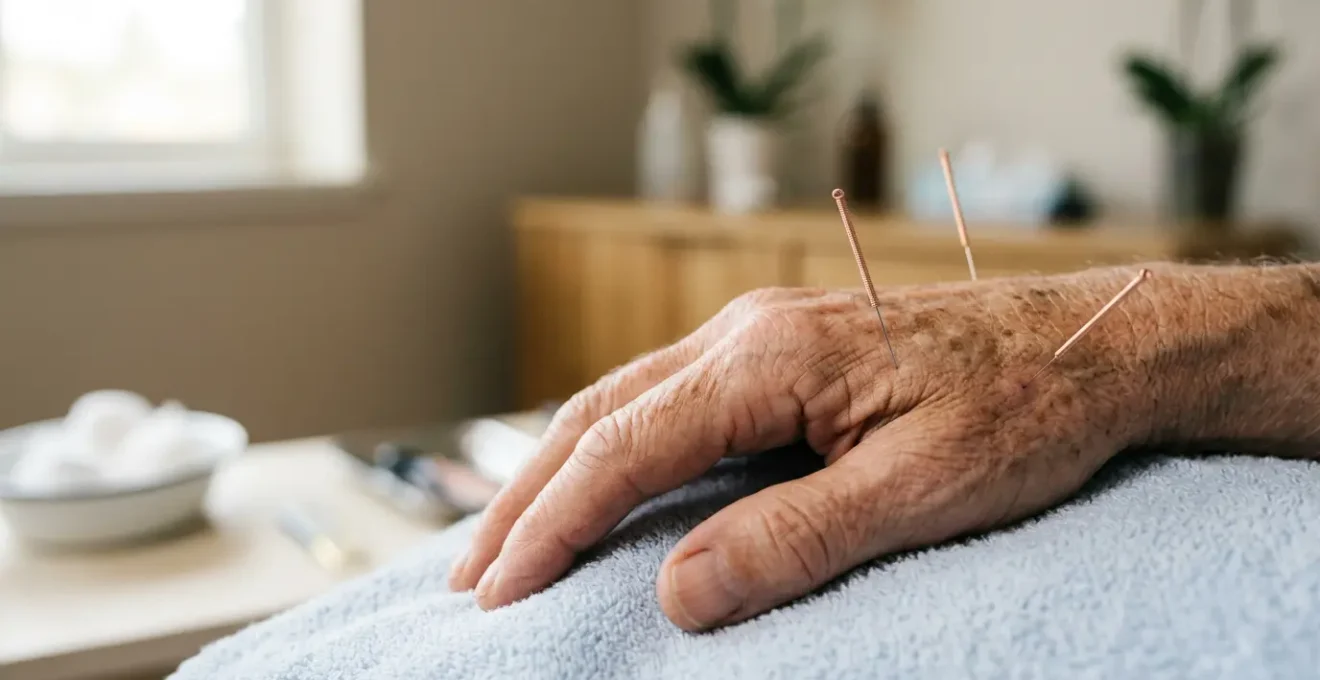
Acupuncture’s benefit for arthritis isn’t magic, but a measurable neurophysiological effect that reduces pain and inflammation.
- Clinical evidence is strongest for chronic pain conditions like knee osteoarthritis, where it can significantly improve function.
- Choosing a practitioner with proper UK credentials (e.g., British Acupuncture Council membership) is crucial for safety and effectiveness.
Recommendation: Treat the first 6-8 sessions as a structured therapeutic trial to gauge its personal effectiveness for enabling movement and reducing your reliance on painkillers.
If you’re living with the daily grind of arthritis, you’ve likely heard a well-meaning friend suggest acupuncture. And if you’re a sceptic, your first thought was probably: « Is there any real science behind that, or am I just paying for an elaborate placebo? » It’s a fair question. The world of complementary therapy is filled with grand claims, and separating medical fact from marketing fiction is essential, especially when dealing with chronic pain. Many discussions get bogged down in abstract concepts of « energy flow » or « balancing Qi, » which can be unhelpful for those seeking concrete, scientific explanations.
As a medical acupuncturist, my role is to be guided by evidence. The conversation around acupuncture is shifting away from mysticism and towards neurophysiology. Modern research is uncovering the specific biological mechanisms that explain how inserting fine needles can genuinely influence the body’s pain signals, reduce inflammation, and calm the nervous system. The key isn’t to believe in an ancient secret, but to understand acupuncture as a physical intervention that stimulates nerves, muscles, and connective tissue. This perspective changes everything.
But if we accept it’s more than a placebo, does that mean it works for everyone? And how can you be sure the person holding the needles is a qualified professional and not just a weekend-course enthusiast? This article will cut through the noise. We will examine the clinical evidence for arthritis, clarify the critical differences between traditional acupuncture and its modern cousin, « dry needling, » and provide a practical guide for vetting a practitioner in the UK. Most importantly, we’ll establish a realistic framework for what acupuncture can—and cannot—achieve for your arthritis pain.
This guide provides a structured, evidence-based overview to help you make an informed decision. The following sections break down the most common questions and concerns, moving from clinical evidence to practical safety considerations.
Summary: Does Acupuncture Actually Work for Arthritis Pain or Is It Just a Placebo?
- For Which Conditions Does Acupuncture Have Real Evidence vs Where Is It Just Wishful Thinking?
- How to Check if an Acupuncturist Has Proper Training and Insurance Before Your First Session?
- Traditional Chinese Medicine Acupuncture vs Western Dry Needling: Which Approach Suits Sceptical Seniors?
- The Bruising and Bleeding Risk If You Have Acupuncture While Taking Warfarin or Aspirin
- How Many Acupuncture Sessions Should You Try Before Deciding If It Works for Your Arthritis?
- Paracetamol vs Topical NSAIDs for Knee Arthritis: Which Has Fewer Side Effects After 70?
- Which Complementary Therapies Have Actual Clinical Evidence for Seniors vs Which Are Marketing?
- Why Does Resting Your Arthritic Joints Actually Make Them Worse?
For Which Conditions Does Acupuncture Have Real Evidence vs Where Is It Just Wishful Thinking?
The most important question for any sceptic is « Where’s the proof? » In medicine, the gold standard is high-quality research, such as randomised controlled trials (RCTs) and systematic reviews. For acupuncture, the body of evidence has grown substantially, allowing us to separate conditions where it shows real promise from those where claims are largely aspirational. For seniors with arthritis, the evidence is most robust for chronic pain management, particularly for osteoarthritis of the knee.
Case Study: 2024 Systematic Review on Knee Osteoarthritis
A recent 2024 systematic review published in BMJ Evidence-Based Medicine provides a powerful summary. By pooling data from 80 different randomised trials involving nearly 10,000 participants with knee osteoarthritis, the analysis found solid evidence supporting acupuncture’s effectiveness for pain reduction. Landmark research has previously shown that a course of acupuncture can lead to a 40% reduction in knee pain and nearly 40% improvement in physical function. These are not minor changes; they represent a significant improvement in quality of life.
The evidence is also strong for chronic lower back pain and certain types of headaches. Where does it become wishful thinking? Be wary of claims that acupuncture can « cure » arthritis or reverse joint damage. The science does not support this. Its primary, evidence-backed role is as an analgesic (pain-relieving) and anti-inflammatory therapy. It helps manage symptoms, improve mobility, and can reduce the need for pain medication. It works by stimulating nerves that send signals to the brain to release endorphins (the body’s natural painkillers) and by modulating the nervous system to calm down inflammatory responses. Think of it less as a cure and more as a sophisticated tool for managing the body’s pain and inflammation control panels.
How to Check if an Acupuncturist Has Proper Training and Insurance Before Your First Session?
Once you’re satisfied there’s credible evidence, the next crucial step is finding a credible practitioner. The field of acupuncture in the UK is not statutorily regulated, which means anyone can technically call themselves an acupuncturist. This makes due diligence absolutely essential for your safety and for ensuring you receive effective treatment. A poorly trained individual can cause harm or, at best, provide an ineffective placebo treatment.
The « gold standard » for voluntary regulation in the UK is the British Acupuncture Council (BAcC). Its members are required to have completed a degree-level training in acupuncture (typically a three-year BSc) including anatomy, physiology, and other western medical sciences. They are also bound by strict codes of safe practice and professional conduct and carry full medical malpractice and public/products liability insurance. You can use the « Find an Acupuncturist » feature on the BAcC website to locate a registered practitioner in your area.
Some GPs, physiotherapists, and osteopaths also offer acupuncture, often after completing shorter courses. This is sometimes available on the NHS for specific conditions. While these practitioners are medically qualified, their acupuncture training is typically less extensive than a BAcC member’s—often focused on pain relief (medical acupuncture) rather than the holistic approach of Traditional Chinese Medicine. When vetting any practitioner, ask directly about their training duration, their specific experience with arthritis, and whether they are insured for acupuncture practice. A confident, professional practitioner will be happy to provide this information.
Traditional Chinese Medicine Acupuncture vs Western Dry Needling: Which Approach Suits Sceptical Seniors?
Adding to the confusion is the term « dry needling. » Though it also uses fine needles, it is fundamentally different from traditional acupuncture, and understanding this distinction is key for a sceptical patient. The choice between them depends on whether you prefer a holistic, systemic approach or a direct, biomechanical one. Traditional Chinese Medicine (TCM) acupuncture is a complete system of medicine based on balancing the body’s functions, while dry needling is a technique used by Western medical practitioners like physiotherapists to treat muscular pain.
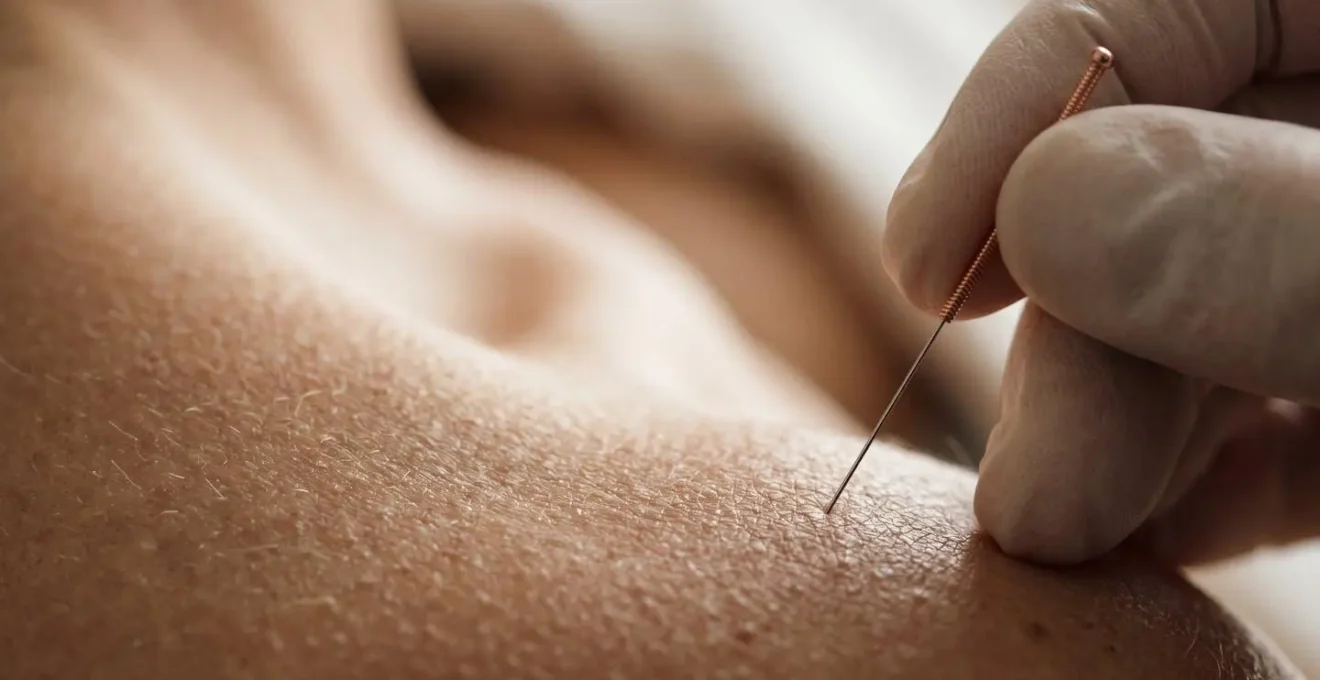
As the image suggests, dry needling is highly targeted. Its sole focus is on releasing « trigger points »—tight, irritable knots in muscle tissue that can cause pain and restrict movement. The theory is purely mechanical: inserting a needle into a trigger point causes a local twitch response, which helps the muscle to relax, improves blood flow, and reduces pain. For a senior with arthritis, this can be useful for treating the compensatory muscle tightness that often develops around a painful joint. The explanation is straightforward anatomy and physiology, which can be appealing to a sceptic.
TCM acupuncture, by contrast, takes a broader view. A practitioner will still needle points near the painful joint, but may also use points on your hands, feet, or ears that lie on specific « meridians. » From a Western perspective, these points often correspond to major nerve pathways. Stimulating them is thought to create a more systemic effect: promoting the release of endorphins for body-wide pain relief and modulating the autonomic nervous system to reduce inflammation. The following table breaks down the key differences to help you decide.
This comparative analysis helps clarify which modality might be a better fit for your specific needs and mindset.
| Comparison Factor | TCM Acupuncture | Western Dry Needling |
|---|---|---|
| Underlying Philosophy | Traditional Chinese Medicine – balancing Qi (energy flow) through meridian points | Western anatomy & neuroscience – targeting myofascial trigger points (muscle knots) |
| Diagnostic Method | Pulse diagnosis, tongue examination, holistic symptom assessment | Palpation of muscles, identification of taut bands and trigger points |
| Primary Treatment Goal | Systemic: reduce inflammation, improve overall energy, rebalance body systems | Localized: release specific muscle tension, increase blood flow, reduce mechanical pain |
| Typical Practitioner | Licensed Acupuncturist (LAc) with 3-4 years specialized training | Physical therapist or sports medicine specialist with additional certification |
| Needle Placement | Along meridian pathways, may be distant from pain site | Directly into muscle trigger points at site of dysfunction |
| Post-Treatment Sensation | Often relaxed, energized, minimal soreness | Frequently sore for 24-48 hours (similar to post-workout muscle soreness) |
| Best For Skeptical Seniors | Those seeking holistic approach for chronic arthritis inflammation + secondary symptoms (sleep, anxiety) | Those preferring biomechanical explanation for acute muscle compensation around arthritic joints |
The Bruising and Bleeding Risk If You Have Acupuncture While Taking Warfarin or Aspirin
For seniors, safety is the number one priority. While acupuncture is generally very safe when performed by a qualified practitioner, there is an increased risk of bruising or bleeding, especially for those taking anticoagulant (blood-thinning) medications. This includes prescription drugs like Warfarin, Apixaban, and Rivaroxaban, as well as over-the-counter low-dose aspirin. It is absolutely essential to manage this risk proactively.
Honest and open communication is non-negotiable. You must inform both your GP and your acupuncturist about all medications you are taking before you begin treatment. A competent acupuncturist will not be alarmed by this; they will simply modify their technique. This typically involves using fewer and thinner needles, avoiding deep insertion, choosing points away from major blood vessels, and applying gentle pressure to each point for longer after the needle is removed. Minor pinpoint bruising can still occur and is generally not a cause for concern. However, significant or spreading bruises should be reported to your practitioner and GP.
As the Banner Health Medical Advisory clearly states in their clinical guidelines for acupuncture safety:
There is an increased risk of complications if you have a bleeding disorder, are taking blood thinners, are pregnant or use a pacemaker. Talk to your health care provider first before receiving acupuncture.
– Banner Health Medical Advisory, Clinical guidelines for acupuncture safety considerations
To ensure your safety, it’s wise to follow a clear protocol. The following checklist outlines the essential steps every patient on anticoagulants should take.
Your safety checklist for acupuncture on blood thinners
- Inform your prescribing physician: Before booking, discuss your intent with the doctor who prescribed your anticoagulant (Warfarin, aspirin, etc.) and get their approval.
- Disclose medication details when booking: Inform the acupuncturist of your specific medication name and dosage when you schedule the appointment, not when you arrive.
- Ask about their risk-mitigation protocol: Specifically ask: ‘What is your procedure for patients on blood thinners? How do you modify your technique?’
- Expect a modified treatment: A skilled practitioner will use fewer, thinner needles, avoid deep insertion, and apply pressure after needle removal.
- Monitor for unusual bruising: Watch for any excessive bruising or bleeding that doesn’t stop within a few minutes and report it immediately.
How Many Acupuncture Sessions Should You Try Before Deciding If It Works for Your Arthritis?
Acupuncture is not a magic bullet, and its effects are cumulative. A common mistake is trying one or two sessions, feeling little change, and concluding it doesn’t work. For chronic conditions like arthritis, this is not a sufficient trial. From a clinical perspective, you should approach the initial course of treatment as a structured therapeutic trial to determine if it is an effective therapy *for you*.
So, what is a reasonable trial period? Clinical protocols for pain management from institutions like the Hospital for Special Surgery suggest a course of 6 to 10 treatment sessions over a period of three to five weeks is a standard approach. This usually involves one or two sessions per week initially. This frequency allows the therapeutic effects to build on each other. During this initial phase, you and your practitioner should be looking for small but meaningful changes. This might not be a complete absence of pain, but could include:
- A reduction in the *intensity* or *frequency* of pain.
- Improved sleep quality.
- An increase in your joint’s range of motion.
- Being able to walk a little further before pain sets in.
- A reduced need for your usual « as-needed » pain medication.
By the end of this 6-10 session trial, you should have a clear idea of whether acupuncture is making a tangible difference. If there has been a significant improvement, your practitioner will typically suggest spacing out follow-up sessions (e.g., to once every two, three, or four weeks) for maintenance. If you have experienced absolutely no change after a full course, then it may be that acupuncture is not the right tool for you, and a good practitioner will be honest about this.
Paracetamol vs Topical NSAIDs for Knee Arthritis: Which Has Fewer Side Effects After 70?
Before considering complementary therapies, it’s important to have a solid understanding of the conventional frontline treatments and their limitations. For many seniors with knee osteoarthritis, the first port of call is often oral painkillers like paracetamol or non-steroidal anti-inflammatory drugs (NSAIDs) such as ibuprofen. However, as we age, the risk of side effects from these medications increases, prompting many to seek safer, long-term alternatives or adjuncts.

Paracetamol has long been recommended due to its perceived safety, but recent guidelines have questioned its effectiveness for chronic arthritis pain, and long-term, high-dose use can carry risks for liver health. Oral NSAIDs like ibuprofen or naproxen are more effective for inflammation but come with a significant risk of gastrointestinal issues (like stomach ulcers), kidney problems, and cardiovascular events, all of which are of greater concern after the age of 70. This is a primary reason why many older adults and their doctors look for ways to minimise their use.
This is where topical NSAIDs (gels, creams, and patches) come in. Applied directly to the painful joint, they deliver the anti-inflammatory medication locally with much lower systemic absorption. This drastically reduces the risk of stomach and kidney-related side effects, making them a much safer option for long-term management in seniors. The dilemma, however, is that their effect can be milder than oral tablets. The search for effective pain management therefore becomes a balancing act: weighing the effectiveness of oral medications against the superior safety profile of topical treatments and complementary therapies like acupuncture. Many find that a combination approach—using topical NSAIDs for baseline control and adding acupuncture to manage flare-ups—allows them to stay active while minimising drug-related risks.
Key takeaways
- Acupuncture has strong clinical evidence for managing chronic pain, especially knee osteoarthritis, but is not a « cure. »
- Practitioner quality is paramount in the UK; seek a member of the British Acupuncture Council (BAcC) for guaranteed training and insurance.
- Acupuncture works as a « cycle breaker, » reducing pain enough to allow for the essential movement and exercise that truly manages arthritis.
Which Complementary Therapies Have Actual Clinical Evidence for Seniors vs Which Are Marketing?
Acupuncture doesn’t exist in a vacuum. It’s one of dozens of complementary therapies vying for your attention and money. For a discerning senior, it’s vital to apply the same evidence-based scrutiny across the board. Some therapies have a robust body of research supporting their use for specific conditions, while others rely more on anecdotal reports and clever marketing. The key is to understand the strength of the evidence and the proposed mechanism of action.
Therapies like acupuncture and tai chi sit at the top of the evidence pyramid for seniors. As we’ve discussed, acupuncture’s effects on the nervous system for pain relief are well-documented. Tai chi is a standout for improving balance, preventing falls, and managing arthritis symptoms, with its benefits explained by improvements in proprioception (the body’s awareness of its position in space) and muscle strength. In contrast, therapies like Reiki (energy healing) and magnet therapy sit at the bottom, with no scientific evidence to support their claims beyond a potential placebo or relaxation effect. While relaxation is beneficial, it can be achieved through simpler, cheaper methods like meditation or a warm bath.
The table below, based on a comprehensive review of research on non-pharmacological therapies for pain, categorises common options by their strength of evidence, helping you distinguish between scientifically-backed treatments and those with weaker foundations.
| Therapy Type | Strength of Clinical Evidence | Primary Mechanism (Skeptic-Friendly) | Best Use Case for Seniors | Typical Cost/Effort |
|---|---|---|---|---|
| Acupuncture | Strong (Tier 1) – Multiple RCTs, meta-analyses for knee/hip OA, chronic back pain | Triggers endorphin release, modulates pain nerve signals, promotes cortisol production (reduces inflammation) | Chronic arthritis pain, improving mobility for physical therapy participation | Moderate cost, Low patient effort |
| Tai Chi | Strong (Tier 1) – Proven for balance, fall prevention, arthritis symptom management | Improves proprioception (body position awareness), strengthens supporting muscles, enhances coordination | Fall prevention, improving joint flexibility, social engagement | Low cost (community classes), Moderate patient effort |
| Massage Therapy | Moderate (Tier 2) – Good evidence for short-term muscle pain relief | Increases local blood flow, releases muscle tension, reduces stress hormones | Temporary relief of muscle tightness, stress reduction, complementary to other treatments | Moderate-High cost, Low patient effort |
| Chiropractic | Mixed (Tier 2) – Some evidence for lower back pain, limited for arthritis joint pain | Manipulates spinal alignment, may reduce nerve irritation in some conditions | Specific lower back conditions (not primary arthritis treatment) | Moderate cost, Low patient effort |
| Reiki/Energy Healing | Weak (Tier 3) – Mainly placebo effect, no strong clinical mechanism | Relaxation response only; no proven energy transfer or healing mechanism | Not recommended as primary therapy; relaxation techniques achieve same effect | Variable cost, Minimal patient effort |
| Magnet Therapy | Weak (Tier 3) – No scientific evidence beyond placebo | No proven biological mechanism for pain relief via static magnets | Not recommended; placebo effect only | Low-Moderate cost, Minimal patient effort |
Why Does Resting Your Arthritic Joints Actually Make Them Worse?
One of the most damaging paradoxes of arthritis pain is the « rest versus rust » dilemma. When a joint hurts, the natural instinct is to stop moving it to avoid pain. While short-term rest during an acute flare-up is appropriate, prolonged inactivity is one of the worst things you can do for an arthritic joint. This is where the true, pragmatic value of acupuncture comes into focus for the sceptic. It’s not about curing the arthritis; it’s about breaking the vicious cycle that makes it worse.
Why does rest make joints « rust »? Firstly, movement is what lubricates joints. The synovial fluid that nourishes cartilage is pumped around the joint capsule through motion. Without movement, this fluid stagnates, and the cartilage can become malnourished and degrade faster. Secondly, the muscles surrounding a joint act as its primary shock absorbers. When you rest, these muscles weaken (atrophy), forcing the joint itself to take on more impact and strain with every step, which in turn causes more pain. This creates a downward spiral: pain leads to inactivity, inactivity leads to muscle weakness and joint stiffness, which leads to more pain.
Acupuncture as an Enabler of Movement
This is where acupuncture can be a powerful « cycle breaker. » Its primary value may not be the direct treatment of cartilage, but rather its ability to reduce pain and inflammation just enough to make necessary movement and physical therapy tolerable again. Research demonstrates that for conditions like chronic back pain and osteoarthritis, acupuncture is superior to no treatment. It is particularly valuable for patients who are concerned about the long-term use of analgesic medications. By providing a window of pain relief, it empowers you to do the one thing that will make the biggest difference in the long run: strengthening the muscles around the joint through targeted exercise.
So, for the ultimate sceptic, perhaps the most logical way to view acupuncture is not as a standalone cure, but as a strategic, short-term tool to facilitate the real, evidence-based, long-term solution: physical therapy and consistent, appropriate movement. It helps you get back in the game.
To explore if this evidence-based approach can be part of your arthritis management plan, the next step is to discuss it with your GP and find a BAcC-registered practitioner for a consultation.