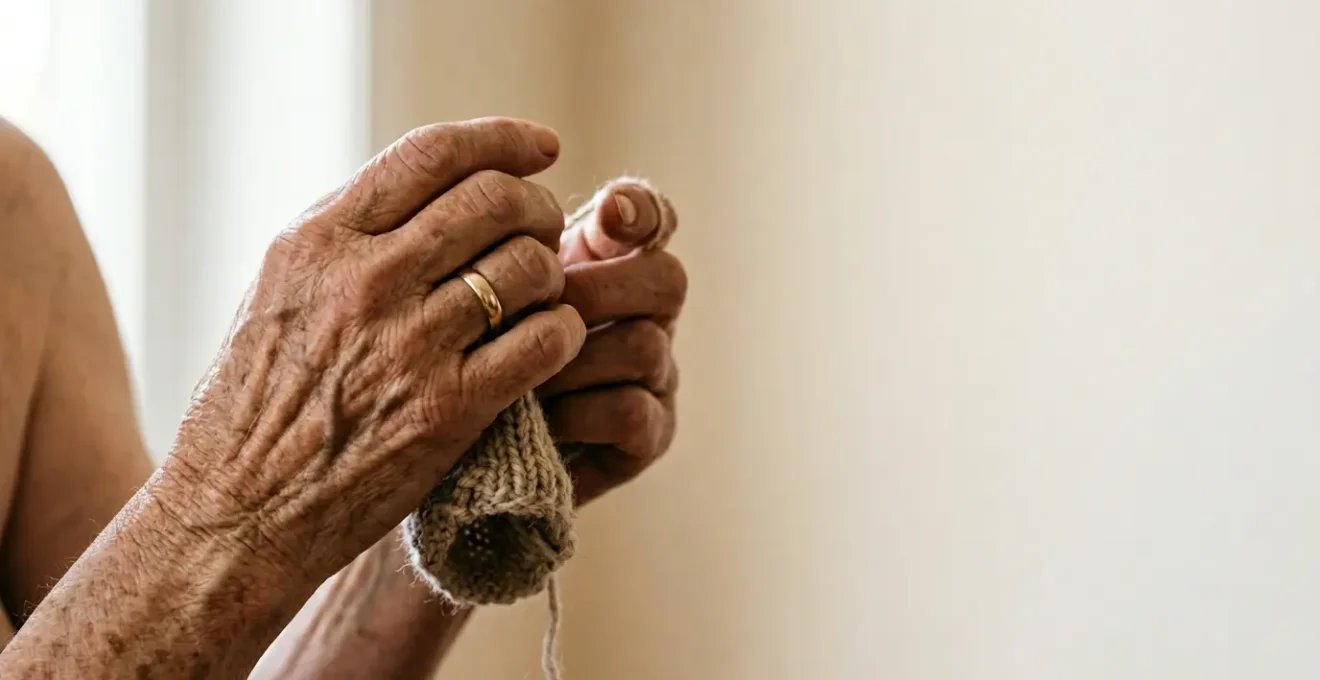
The common instinct to rest a painful, arthritic joint is a myth that accelerates decline; the joint is actually designed to be healed by movement.
- Inactivity starves your cartilage of nutrients and causes the muscles that protect your joints to waste away rapidly.
- Specific, gentle movement acts as a natural painkiller by ‘closing the gate’ on pain signals to the brain and lubricating the joint from within.
Recommendation: Shift your mindset from avoiding pain to managing it through strategic, daily movement to reclaim function and slow degeneration.
When your knee or hip aches with the familiar throb of osteoarthritis, every instinct in your body screams for you to stop, to sit down, to rest. It feels like the most logical, protective thing to do. For decades, the prevailing advice was to « take it easy » and avoid activities that cause discomfort. This well-intentioned guidance, however, is based on a fundamental misunderstanding of joint biology. In my clinical experience as a rheumatology physiotherapist, the single biggest accelerator of functional decline I see in my patients is not the arthritis itself, but the fear of movement it creates.
This cycle of pain, rest, and further pain is a vicious one. You feel a twinge, so you reduce your activity. The supporting muscles weaken, the joint becomes stiffer, and the pain threshold lowers. The next time you try to be active, the pain is worse, reinforcing the belief that rest is the only answer. But what if this instinct is a trap? What if the very thing you are avoiding—gentle, controlled movement—is the most powerful medicine available for your joints?
This article will dismantle the myth that rest is best for arthritis. We will explore the science of why your joints literally starve without movement, how certain exercises can be more effective than painkillers, and why the « use it or lose it » principle is brutally unforgiving when it comes to joint health. We are not just talking about managing pain; we are talking about a fundamental shift towards an active strategy for living well with joint degeneration, giving you the tools to break the cycle and take back control.
This guide provides a clear roadmap, based on the latest evidence, to help you understand the mechanisms at play within your own body. We will delve into specific exercises, compare pain relief options, and define the critical moments for making informed decisions about your health.
Summary: Why Does Resting Your Arthritic Joints Actually Make Them Worse?
- Why Does Walking on Painful Knees Reduce Pain More Than Staying in Your Chair?
- Pool Exercises vs Land-Based Strength Training: Which Is Better for Hip Osteoarthritis?
- Paracetamol vs Topical NSAIDs for Knee Arthritis: Which Has Fewer Side Effects After 70?
- The Steroid Injection Trap That Offers 3 Months of Relief but 3 Years of Faster Degeneration
- When Is the Right Moment to Consider Knee Replacement Instead of Managing Pain?
- The 10-Day Bed Rest Mistake That Costs Seniors 10% of Their Leg Muscle
- Why Does 20 Minutes of Chair Yoga Lubricate Your Joints Better Than Walking?
- Why Do 30% of UK Seniors Over 80 Lack the Strength to Rise from a Chair Without Help?
Why Does Walking on Painful Knees Reduce Pain More Than Staying in Your Chair?
It sounds completely counter-intuitive: if your knee hurts, using it should make it hurt more. Yet, for many with osteoarthritis, a gentle walk can provide more relief than sitting still. The reason lies deep within our biology, involving both the physical mechanics of the joint and the complex wiring of our nervous system. Firstly, your joint cartilage has no direct blood supply. It relies on a process of loading and unloading—like squeezing and releasing a sponge—to absorb nutrient-rich synovial fluid and expel waste products. When you are sitting, this « pumping » action stops, effectively starving the cartilage. Gentle walking provides the perfect cyclical loading to nourish the joint.
The second, more immediate, effect is neurological. The sensation of pain is not as simple as an ‘on/off’ switch. According to the influential Gate Control Theory of Pain, our spinal cord has a ‘gate’ that can either allow pain signals to travel to the brain or block them. Large-fibre nerve signals, which transmit non-painful sensations like pressure and movement from a gentle walk, can effectively ‘close the gate’, inhibiting the smaller-fibre nerves that carry pain signals. As Ronald Melzack and Patrick Wall first proposed, « activation of nerves that do not transmit pain signals…can interfere with signals from pain fibers, thereby inhibiting pain. »
This is why movement can feel good even when a joint is painful. You are essentially overriding the pain signal with a stronger, non-painful movement signal. Research consistently shows that this isn’t just a feeling; adults with arthritis who walk regularly are less likely to experience severe joint pain. Staying in your chair denies your joint both its nutrition and this powerful, built-in pain relief mechanism.
Pool Exercises vs Land-Based Strength Training: Which Is Better for Hip Osteoarthritis?
Once you accept that movement is essential, the next question is: what kind of movement? For individuals with significant hip or knee osteoarthritis, land-based exercises can feel daunting due to high impact and pain. This is where aquatic exercise, or hydrotherapy, becomes an incredibly powerful tool. The natural buoyancy of water provides a unique environment that supports your body weight, dramatically reducing the load and stress on painful joints. This allows you to move through a greater range of motion and build strength with less discomfort.
The benefits are not just theoretical; they are well-documented. A major 2022 meta-analysis of 20 studies showed that aquatic exercise produces a 0.61-point reduction in pain compared to non-exercising control groups. Crucially, it also showed a significant, albeit smaller, benefit over land-based exercise for pain relief. The water also provides gentle, consistent resistance from all directions, which helps to build muscle strength without the need for weights. Furthermore, the hydrostatic pressure of the water can help reduce swelling and improve circulation in the limbs.

While land-based strength training is vital for building the bone density and muscle power needed for daily activities like climbing stairs, aquatic therapy is often the perfect starting point. It allows you to break the pain-inactivity cycle in a safe, supported environment. A systematic review focusing on knee osteoarthritis highlighted that aquatic physical therapy significantly improved pain and function, concluding it is an effective initial treatment option, particularly for those with severe mobility limitations. For many of my patients, a hybrid approach works best: starting in the pool to build confidence and basic strength, then gradually incorporating more land-based exercises as their pain subsides and function improves.
Paracetamol vs Topical NSAIDs for Knee Arthritis: Which Has Fewer Side Effects After 70?
Even with the best exercise programme, there will be days when you need help managing pain. For older adults, navigating the pharmacy aisle can be confusing, especially given the potential side effects of common oral painkillers. For years, paracetamol was the go-to first-line recommendation. However, its effectiveness for chronic osteoarthritis pain has been questioned, and exceeding the recommended dose can lead to serious liver damage. As geriatrician Dr. Leslie Kernisan advises, « For most older adults, the safest oral OTC analgesic drug for daily or frequent use is acetaminophen (brand name Tylenol), provided you are careful to not exceed a total dose of 3,000mg per day. »
Oral Non-Steroidal Anti-Inflammatory Drugs (NSAIDs) like ibuprofen are effective but come with a significant risk profile for seniors, including gastrointestinal bleeding, kidney problems, and increased cardiovascular risk. This is where topical NSAIDs—gels or creams applied directly to the painful joint—offer a compelling advantage. Because the medication is absorbed locally through the skin, only a very small amount enters the bloodstream. This means you get the anti-inflammatory benefit right where you need it, with a much lower risk of systemic side effects.
The evidence supporting this safety profile is strong. For example, a large 2021 network meta-analysis revealed that topical NSAIDs showed a 36% lower risk of major cardiovascular events compared to their oral counterparts in a real-world study of UK participants. This makes them a much safer first choice for managing localised pain in a joint like the knee, especially for individuals over 70 or those with pre-existing heart or kidney conditions. While oral medications may still be necessary for widespread pain, for a single troublesome joint, topical NSAIDs represent a more targeted and safer approach.
The Steroid Injection Trap That Offers 3 Months of Relief but 3 Years of Faster Degeneration
When joint pain becomes severe, a corticosteroid injection can seem like a magic bullet. It offers rapid, powerful, and often near-complete pain relief that can last for several weeks or even a few months. This can be a valuable tool, allowing a patient to engage in physiotherapy and strengthening exercises that were previously too painful. However, it’s crucial to view these injections as a temporary bridge, not a long-term solution. There is a growing body of evidence suggesting that repeated steroid injections may be a biological trap, accelerating the very joint degeneration they are meant to treat.
The mechanism is a double-edged sword. While the steroid powerfully suppresses inflammation, providing that welcome relief, it may also be toxic to cartilage cells (chondrocytes). Research has shown a correlation between the number of steroid injections a person receives and the rate at which their cartilage thins over time. One influential study found that patients receiving injections every three months showed significantly more cartilage loss over two years compared to those receiving a placebo. The short-term gain comes at a long-term cost.
This creates a dangerous cycle. The pain returns, another injection is sought, and the underlying joint structure continues to degrade, making the eventual need for surgery more likely. In my practice, I advise extreme caution. An injection might be appropriate to break a severe flare-up and enable a period of rehabilitation. But if the pain repeatedly returns and the only solution offered is another injection, you are not managing the disease; you are masking its progression. The true goal is not just to be pain-free but to preserve long-term joint function, and that requires strengthening and support, not just repeated chemical interventions.
When Is the Right Moment to Consider Knee Replacement Instead of Managing Pain?
Knee replacement surgery is a major undertaking, but for the right person at the right time, it can be life-changing. The most common question I hear from patients is, « How much pain do I need to be in before I should have the operation? » However, pain is a subjective and unreliable metric. The more important question is: « How much is your knee arthritis limiting your life and function? » The decision should be based on functional milestones, not just a pain score.
The right moment to seriously consider surgery is when you have exhausted conservative management options—physiotherapy, exercise, weight management, and appropriate pain relief—and your quality of life is still significantly compromised. Key indicators include: night pain that consistently disrupts your sleep; an inability to perform essential daily activities like shopping, housework, or walking for more than a few minutes; and having to give up hobbies and social activities that bring you joy. When your world starts shrinking because of your knee, it is time to have the conversation with an orthopaedic surgeon.
It’s also about a loss of independence. Are you becoming reliant on family members for tasks you used to do yourself? Do you avoid leaving the house for fear of pain or a fall? These are critical red flags. Waiting too long can also be detrimental. If you become severely deconditioned and lose a significant amount of muscle mass before surgery, your post-operative recovery will be much more difficult and prolonged. The ideal candidate for surgery is someone who is still active enough to participate fully in their rehabilitation. It’s a pragmatic decision: is the functional limitation from the arthritis now a greater burden than the recovery from surgery would be?
The 10-Day Bed Rest Mistake That Costs Seniors 10% of Their Leg Muscle
The « use it or lose it » principle is not a gentle suggestion; it’s a harsh biological law, particularly as we age. A period of prolonged inactivity, such as being laid up with flu or recovering from an unrelated surgery, can have a devastating and disproportionate effect on a senior’s muscle mass. The statistic in the title is not an exaggeration; studies have shown that even short periods of bed rest can lead to rapid muscle atrophy (sarcopenia), especially in the large, weight-bearing muscles of the legs. This loss of muscle isn’t just about strength; it’s about losing the primary shock absorbers that protect your joints.
Weak muscles lead to unstable joints. When the quadriceps and glutes are weak, every step you take sends more impact and shear force directly through the cartilage of your knees and hips, accelerating wear and tear and increasing pain. This is why a bout of illness can trigger a dramatic worsening of arthritis symptoms. It’s not that the arthritis itself progressed in those ten days; it’s that the protective muscular « scaffolding » around the joint was rapidly dismantled, leaving it vulnerable.
The good news is that this process is reversible, but it requires a targeted effort. As one study on rheumatoid arthritis noted, « High intensity resistance exercise has been shown to safely reverse cachexia…and, as a consequence of this restoration of muscle mass, to substantially improve physical function. » This doesn’t mean you need to become a bodybuilder. It means fighting back against inactivity with intentional strengthening exercises as soon as you are able. Even simple bodyweight movements like sit-to-stands and glute bridges can help to reactivate these crucial muscles and begin the rebuilding process. Avoiding periods of prolonged rest is as important as any other arthritis management strategy.
Why Does 20 Minutes of Chair Yoga Lubricate Your Joints Better Than Walking?
While walking is excellent for cyclical loading, chair yoga offers a unique combination of benefits that can be even more effective for joint health, especially for those with limited mobility or balance. Chair yoga focuses on moving joints through their full, available range of motion in multiple planes. This is fundamentally different from the repetitive, single-plane motion of walking. Think of it as a more thorough way to « lubricate » the joint. By gently guiding the joint through flexion, extension, and rotation, you ensure that the entire surface of the cartilage is bathed in synovial fluid, not just the parts used during a normal gait cycle.
Case Study: How Exercise Reduces Pain Sensitivity
Research from the Versus Arthritis Pain Centre provides a powerful explanation for this phenomenon. Their work demonstrated that exercise can reduce « central sensitization, » a state where the nervous system becomes hyper-responsive, amplifying pain signals. They found that while most exercise helps, the most beneficial types are those combining stretching with resistance training. This is precisely what chair yoga offers, using your own body weight and controlled movements to provide a gentle challenge, effectively « turning down the volume » on your body’s pain response.
This multi-planar movement is key for maintaining joint health and slowing stiffness. Furthermore, the practice inherently combines stretching with gentle strengthening, addressing two critical components of arthritis management at once. The research is clear that this combination is powerful. In fact, according to Versus Arthritis research, which has invested over £17 million in this area, certain types of exercise can be as effective in reducing pain as common painkillers. Chair yoga provides a safe, accessible way to tap into this benefit without the risks of medication or high-impact activity. It teaches you to connect with your body and work within your pain-free range, rebuilding confidence in movement.
Key Takeaways
- Inactivity is not a treatment for arthritis; it starves joint cartilage and weakens protective muscles.
- Movement acts as a natural painkiller through neurological mechanisms (Gate Control Theory) and lubricates joints from within.
- Aquatic exercise and chair yoga are powerful, low-impact tools to start rebuilding strength and mobility safely.
Why Do 30% of UK Seniors Over 80 Lack the Strength to Rise from a Chair Without Help?
The ability to stand up from a chair is a fundamental measure of independence. The alarming statistic that nearly a third of UK adults over 80 cannot do this without assistance is a direct consequence of sarcopenia—age-related muscle loss. This isn’t just about feeling « weak »; it’s a specific physiological change. As we age, we disproportionately lose our fast-twitch muscle fibres. These are the fibres responsible for generating power—the explosive strength needed for movements like getting up quickly or catching yourself before a fall. The slow, steady strength used for walking is governed by different fibres.
This loss of power is what makes the sit-to-stand motion so challenging. It is the ultimate « use it or lose it » test. Every time you choose to rest instead of move, you are subtly accelerating this decline. As the Mayo Clinic confirms, not exercising weakens supporting muscles, which in turn places more stress on the joints, creating a self-perpetuating cycle of pain and weakness. The body, in its efficiency, simply stops maintaining muscle tissue that isn’t being regularly challenged. This is why the advice is no longer just « stay active, » but « stay strong. »
Regaining this ability is not just possible; it’s essential for maintaining quality of life. The solution is targeted resistance training that specifically challenges the leg and gluteal muscles. This doesn’t require a gym membership. The single most effective exercise is practicing the very movement you are losing: the sit-to-stand. By performing this simple action multiple times a day, you are sending a powerful signal to your body to rebuild and maintain the muscle fibres required for this critical task. It is the direct antidote to the inactivity that causes the problem in the first place.
Your 5-Step Plan to Regain Chair-Rise Strength
- Assess Your Baseline: Use a sturdy, armless chair. See how many times you can stand up and sit down in 30 seconds without using your hands. This is your starting point.
- Practice with Assistance: If you cannot stand without help, start by raising your seat height with firm cushions. Push up with your hands as little as possible. Focus on driving through your heels.
- Train Daily: Aim for 3 sets of 5-10 repetitions of the sit-to-stand motion, twice a day. The key is consistency. Quality over quantity; a slow, controlled movement is better than a fast, jerky one.
- Challenge Progression: Once you can comfortably perform 3 sets of 10, make it harder. Either lower the chair height (remove a cushion) or hold a small weight (a bottle of water or a book) to your chest.
- Re-test Monthly: Every month, repeat your 30-second test. Seeing your number increase is a powerful motivator and a concrete measure of your progress in reclaiming your strength and independence.
To put these principles into practice, the first step is to shift your mindset from one of passive rest to one of active management. Begin by integrating small, consistent bouts of gentle movement and targeted strengthening into your daily routine to start reclaiming your function and independence today.