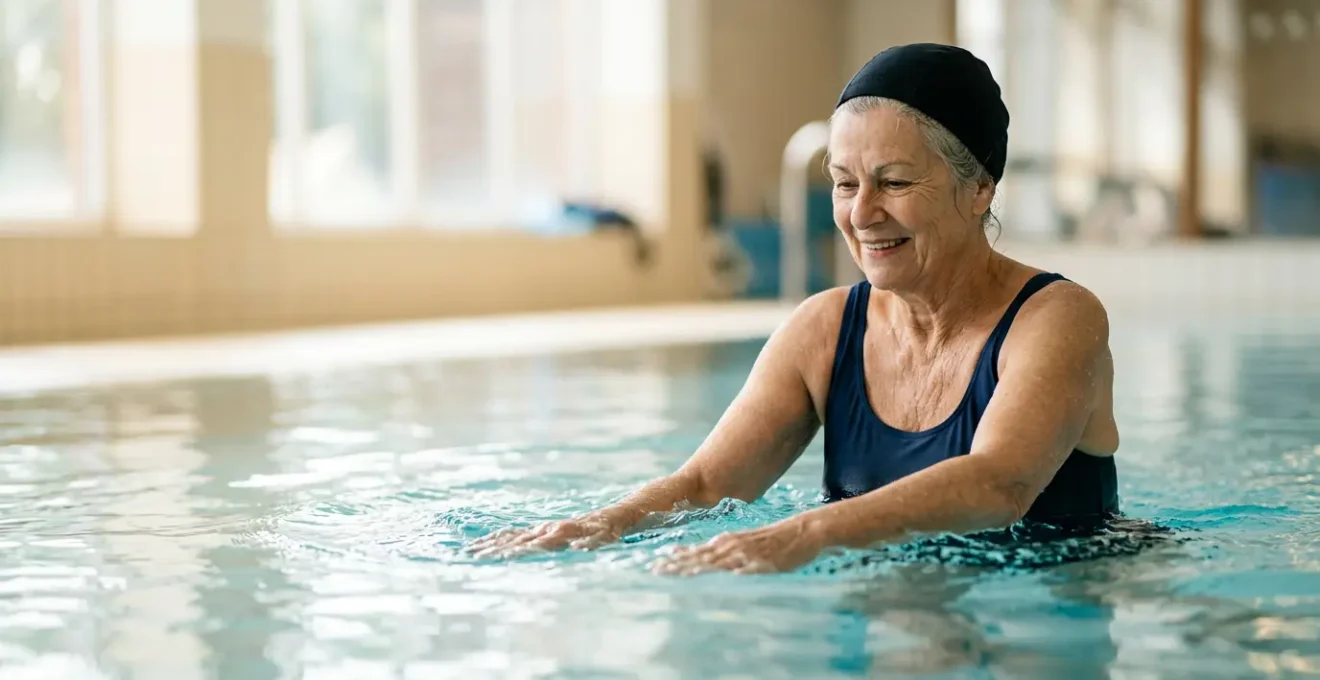
The unique properties of warm water—buoyancy, hydrostatic pressure, and viscosity—make it a superior clinical environment for building strength without the damaging impact of land-based exercise.
- It actively reduces pain by using warmth and pressure to block pain signals and relax muscles.
- It provides safe, multi-directional resistance that strengthens muscles essential for balance and stability.
- UK residents can access targeted hydrotherapy programmes through an NHS physiotherapy referral or by paying for private sessions.
Recommendation: Consult your GP or a chartered physiotherapist to determine if a structured hydrotherapy programme is the right next step for your specific condition.
For many seniors in the UK managing arthritis, recovering from surgery, or struggling with balance, the thought of exercise can be daunting. The sharp pain of a weight-bearing movement on a sore knee or hip is often enough to discourage activity altogether. You may have been told that « gentle movement is good » or to « try swimming, » but this advice often feels disconnected from the reality of your discomfort. It overlooks a fundamental question: how can you strengthen your body when the very act of moving hurts?
The common approach is to either push through the pain on land or avoid exercise, leading to further weakness and stiffness. But what if the environment itself could be changed to eliminate the pain and accelerate your strength gains? This is not about simply floating in a pool. It’s about leveraging the precise physics of water as a therapeutic tool. This is the world of clinical hydrotherapy, a field that goes far beyond generic aqua aerobics to offer targeted, science-backed rehabilitation.
The answer lies not in magic, but in a trio of scientific principles: thermal conduction (the power of warmth), hydrostatic pressure (the water’s gentle squeeze), and viscous resistance (the water’s supportive friction). Understanding these concepts is the key to unlocking a form of exercise that builds functional strength while actively soothing your joints. It transforms exercise from a source of pain into a source of relief.
This guide will walk you through the science behind why warm-water exercise is so effective. We’ll explore the practical steps for accessing it in the UK, clarify the crucial differences between clinical hydrotherapy and a leisure centre class, and provide expert guidance for safely starting your journey, even after major surgery like a knee replacement. It’s time to discover how the right environment can change everything.
To help you navigate this comprehensive guide, we’ve broken down the key topics into clear sections. Below is a summary of what you’ll discover, from the underlying science to the practical steps for getting started.
Summary: Your Guide to Pain-Free Strength with Aquatic Therapy
- Why Does 34°C Pool Water Reduce Joint Pain and Increase Range of Motion Within Minutes?
- How to Access a Hydrotherapy Pool Through NHS Physiotherapy vs Paying Privately?
- Clinical Hydrotherapy vs Leisure Centre Aqua Aerobics: Which Is Better for Post-Hip Surgery Recovery?
- The Skin and Lung Irritation That Makes Seniors Abandon Pool Exercise After 3 Sessions
- How Soon After Knee Replacement Can You Safely Start Hydrotherapy Pool Exercises?
- Pool Exercises vs Land-Based Strength Training: Which Is Better for Hip Osteoarthritis?
- Why Does 20 Minutes of Chair Yoga Lubricate Your Joints Better Than Walking?
- Why Does Resting Your Arthritic Joints Actually Make Them Worse?
Why Does 34°C Pool Water Reduce Joint Pain and Increase Range of Motion Within Minutes?
The immediate sense of relief upon entering a warm hydrotherapy pool feels almost magical, but it is pure physiology. The secret lies in the specific temperature and the way water interacts with your nervous system. Clinical hydrotherapy pools are meticulously maintained at a temperature that is significantly warmer than a typical swimming pool. For instance, NHS hydrotherapy pools maintain water temperature at 34-35°C, a range chosen for its therapeutic effects.
This warmth allows for efficient thermal conduction, where heat transfers from the water into your muscles and joints. This has two profound effects. Firstly, it triggers widespread muscle relaxation, easing the protective tension and spasms that often accompany chronic joint pain. Secondly, and more importantly, it directly influences your perception of pain. The warmth and gentle pressure of the water provide a constant, pleasant sensory input to your skin.
This flood of sensory information effectively « closes the gate » on pain signals travelling to your brain. As researchers studying water therapy have explained, this process involves a sensory-motor hyperstimulation that blocks the body’s pain receptors (nociceptors).
The pain-relieving effect of water-based exercises is suggested to be due to the joint effect of exercise, warm water, and buoyancy on thermal receptors and mechanoreceptors. Sensory-motor hyperstimulation exerted by the hydrostatic pressure, viscosity, and water temperature increases the triggers of thermal receptors and mechanoreceptors while blocking nociceptors.
– Research team on fibromyalgia water therapy, Impact of water therapy on pain management in patients with fibromyalgia: current perspectives – PMC
With pain signals dampened and muscles relaxed, your joints are free to move through a greater range of motion. This immediate increase in mobility allows you to perform gentle exercises that would be impossible on land, kickstarting the rehabilitation process from the very first session.
How to Access a Hydrotherapy Pool Through NHS Physiotherapy vs Paying Privately?
In the UK, there are two primary pathways to accessing a clinical hydrotherapy pool: through the NHS or by paying for private treatment. Understanding how to navigate the NHS route is key for many seniors, as it can provide access to these specialised facilities at no cost, though often with a waiting period. The process typically involves a referral from a healthcare professional who identifies a clinical need for aquatic therapy.
Some GP surgeries now have first contact physiotherapists (FCPs) who can assess you directly. However, in many areas of the country, you can now also self-refer to your local NHS musculoskeletal (MSK) service without needing to see a GP first. A physiotherapist will then assess your condition and, if appropriate, add you to the list for a block of hydrotherapy sessions. It’s important to be aware that waiting lists can be long, and the pool may not be at your local hospital, so some travel might be required.

For those who prefer to bypass waiting lists or do not meet the criteria for NHS-funded therapy, the private route offers immediate access. You can find a chartered physiotherapist through organisations like the Chartered Society of Physiotherapy (CSP) who offers hydrotherapy. While this involves an out-of-pocket cost, it provides flexibility in scheduling and choice of facility. Here are the key steps for the NHS pathway:
- Step 1: Discuss your problem with your GP or a first contact physiotherapist to see if hydrotherapy is a suitable option for you.
- Step 2: Check if you can self-refer to your local NHS MSK service online or by phone. This is often the quickest route to an assessment.
- Step 3: During your physiotherapy assessment, your clinical need for aquatic therapy will be determined.
- Step 4: If you are eligible, you will be placed on a waiting list for a course of sessions. Be prepared that physiotherapy is free on the NHS but waiting times can vary significantly by area.
- Step 5: Enquire about the location of the hydrotherapy pool, as you may need to arrange transport to a different hospital or clinic.
Clinical Hydrotherapy vs Leisure Centre Aqua Aerobics: Which Is Better for Post-Hip Surgery Recovery?
After major surgery like a hip replacement, the goal of exercise is safe, targeted rehabilitation. This is where the distinction between clinical hydrotherapy and a general aqua aerobics class becomes critically important. While both take place in water, their purpose, environment, and supervision are worlds apart. An aqua aerobics class at a local leisure centre is designed for general fitness. The instructor is a fitness professional, not a healthcare clinician, and the class is not tailored to individual medical conditions. The water is cooler, and the exercises are often fast-paced, which can be unsuitable or even risky during early recovery.
In contrast, clinical hydrotherapy is a prescribed treatment delivered by a chartered physiotherapist. Sessions are tailored to your specific surgical recovery, focusing on restoring range of motion, improving gait, and building functional strength. The environment itself is designed for safety and accessibility. For example, a dedicated facility like the Royal Orthopaedic Hospital’s clinical pools provide easy steps with handrails and a full body hoist, ensuring even those with severe mobility limitations can enter and exit the water safely.
Case Study: The Safety and Efficacy of Early Aquatic Therapy
To understand the impact of a controlled clinical environment, consider a study on early post-surgical rehabilitation. Researchers analysed 287 patients, with an average age of 65, who began aquatic therapy between 4 and 14 days after their surgery. The study, highlighted by hydrotherapy equipment specialists, found that this early intervention in a warm water therapy pool did not increase the risk of wound complications. Crucially, the patients experienced significant benefits, including earlier pain reduction, decreased swelling (edema), and improved strength and range of motion compared to land-based protocols. This demonstrates that under clinical supervision, water therapy is not only safe but highly effective in the immediate post-operative phase.
For post-hip surgery recovery, the choice is clear. The controlled, supervised, and bespoke nature of clinical hydrotherapy provides the safest and most effective environment to rebuild your strength and confidence, something a generic fitness class simply cannot offer.
The Skin and Lung Irritation That Makes Seniors Abandon Pool Exercise After 3 Sessions
While the benefits of aquatic exercise are immense, a common and preventable issue can derail progress for many seniors: irritation from pool chemicals. The familiar « chlorine smell » is not actually chlorine itself, but a group of compounds called chloramines. These are formed when chlorine disinfectants react with organic substances like sweat, oils, and skin cells brought into the pool by swimmers. Chloramines are responsible for the red eyes, itchy skin, and respiratory irritation that some people experience.
For seniors, who may have more sensitive skin or pre-existing respiratory conditions like asthma, this irritation can be more than just a nuisance; it can be a barrier to continuing with therapy. Fortunately, these side effects are largely manageable with a proactive care routine and by making informed choices about where you swim. Adopting a simple pre- and post-swim protocol can dramatically reduce your exposure to these irritants and protect your skin and lungs.
The key is to minimise the formation of chloramines and to remove them from your skin promptly after your session. Following a few simple steps can make a world of difference:
- Before you swim: Always shower thoroughly with soap and water. This removes the sweat and oils that react with chlorine, reducing the creation of irritating chloramines in the first place. Applying a specialised barrier cream can also offer an extra layer of protection for sensitive skin.
- During your swim: Wear a pair of well-fitting goggles to protect your eyes from chemical exposure and irritation.
- Immediately after you swim: Rinse off with fresh water as soon as you exit the pool. Follow this with a proper wash using a soap or body wash designed to neutralise chlorine. Look for products containing Vitamin C (ascorbic acid), which is effective at breaking down residual chloramines.
- Post-swim care: After drying off, apply a gentle, fragrance-free moisturiser to your entire body. This helps to restore your skin’s natural barrier, which can be dried out by pool chemicals.
Finally, when choosing a private facility, don’t be afraid to ask about their water treatment system. Many modern pools now use supplementary systems like ozone or UV sanitation, which reduce the amount of chlorine needed and result in a gentler, less irritating environment for swimmers.
How Soon After Knee Replacement Can You Safely Start Hydrotherapy Pool Exercises?
Returning to activity after a total knee replacement is a gradual process, and patients are often eager to know when they can begin harnessing the benefits of hydrotherapy. There is no single « one-size-fits-all » answer, as the timeline depends entirely on your individual healing progress. However, as a physiotherapist, I can confirm that the green light is based on a series of clear, observable milestones rather than a fixed number of weeks. Safety is paramount, and the primary concern is ensuring your surgical wound is fully healed to prevent any risk of infection.
Your physiotherapist is the ultimate authority on when it’s safe to start, but you can monitor your own progress against these key indicators. The process should never be rushed, and your initial sessions will focus on gentle movements to restore confidence and normal walking patterns, not on strenuous swimming. The goal is to use the water’s supportive environment to overcome the initial effects of surgery—pain, swelling, and stiffness—and re-educate your body’s movement patterns.
Embarking on aquatic therapy too early can jeopardise your recovery, while starting at the right time can significantly accelerate it. The period between weeks 2 and 4 post-op is often a window for beginning gentle aquatic work, provided the healing milestones have been met.
Your Readiness Checklist for Post-Knee Replacement Hydrotherapy
- Wound Status: Have your stitches or staples been removed, and is the scar completely free of any redness, swelling, or signs of inflammation?
- Wound Closure: Is the surgical wound fully closed, dry, and showing no signs of any weeping or drainage? This is the most critical checkpoint to prevent infection.
- Land-Based Mobility: Have you achieved a sufficient active range of motion on land (as guided by your physio) to allow you to safely perform basic exercises in the water?
- Professional Clearance: Have you received explicit clearance from your surgeon or physiotherapist confirming you are ready for an aquatic environment?
- First Session Expectations: Are you prepared for the first session to focus on gentle gait re-education (walking forwards, backwards, sideways) and pendulum swings, rather than attempting to swim?
Pool Exercises vs Land-Based Strength Training: Which Is Better for Hip Osteoarthritis?
When you have hip osteoarthritis, the very idea of strength training can seem like a paradox. You need stronger muscles to support the joint, but the impact of traditional land-based exercises like squats or lunges can aggravate the pain. This is where aquatic therapy offers a scientifically proven advantage. The buoyancy of water unloads your joints, reducing your perceived body weight by up to 90%. This allows you to strengthen the critical muscles around your hip without the painful, grinding impact you’d experience on land.
But the benefit isn’t just about reducing impact; it’s also about a superior form of resistance. As the American Arthritis Foundation highlights, water offers a unique challenge that air cannot.
Water provides 12 times more resistance than air, meaning every movement becomes a strength-training exercise. You’re essentially lifting weights using your own body weight, but without the jarring impact on joints.
– American Arthritis Foundation research team, How Water-Based Exercise Is Transforming Arthritis Care
This viscous resistance is also multi-directional. On land, a bicep curl only works your muscle when you lift the weight up. In water, your muscles have to work both to push and pull against the water’s resistance. This builds functional strength and stability in a way that isolated weight training often can’t. The evidence supporting this is compelling. In a major review of non-drug therapies for osteoarthritis, a 2025 meta-analysis published in PLOS One found that hydrotherapy was one of the most effective treatments available, significantly reducing pain and improving function for thousands of patients.
For someone with hip osteoarthritis, the choice is not just about which exercise is less painful, but which is more effective. By removing impact and adding safe, consistent resistance, pool-based exercise provides a superior environment for building the strength needed to manage your condition long-term.
Why Does 20 Minutes of Chair Yoga Lubricate Your Joints Better Than Walking?
This question highlights a crucial principle for anyone with arthritis: not all movement is created equal. While walking is often promoted as a go-to exercise, its repetitive, weight-bearing nature can sometimes exacerbate pain in severely arthritic joints. In contrast, an activity like chair yoga focuses on moving joints gently through their full, available range of motion *without* significant load or impact. This type of movement is vital for joint health because it encourages the production and circulation of synovial fluid, the body’s natural lubricant.
Think of synovial fluid as oil for your joints. Gentle, varied movement helps to spread this fluid over the cartilage surfaces, providing nourishment and reducing friction. The controlled, supported movements in chair yoga excel at this. Now, imagine taking this principle and enhancing it with the therapeutic properties of warm water. This is where hydrotherapy elevates the concept to another level. As Arthritis UK explains, the environment itself becomes part of the therapy.
The warmth of the water allows your muscles to relax and eases the pain in your joints, helping you to exercise. The water supports your weight, which helps to relieve pain and increase the range of movement in your joints.
– Arthritis UK clinical guidance, Hydrotherapy Benefits and How It Can Help
In a hydrotherapy pool, you are not only performing gentle, lubricating movements but you are doing so in an environment that actively reduces pain and supports your body. The water’s buoyancy removes the compressive load of gravity, while the warmth relaxes muscles and soothes nerve endings. This combination allows for a greater, more comfortable range of motion than is possible even in a supportive chair, leading to superior joint lubrication and pain relief.
Key Takeaways
- Warmth and pressure work in tandem to block pain signals travelling to the brain, providing immediate relief.
- Water’s natural resistance is about 12 times greater than air, allowing for effective strength building without joint-damaging impact.
- Movement is essential for joint health; rest can worsen arthritis by preventing nutrient-rich synovial fluid from nourishing cartilage.
Why Does Resting Your Arthritic Joints Actually Make Them Worse?
When a joint is painful and inflamed, the instinct to rest it seems logical. We protect what hurts. However, for a chronic condition like arthritis, prolonged rest is one of the most counterproductive things you can do. This paradox is explained by the unique biology of our joint cartilage. Unlike muscles, cartilage has no direct blood supply. It relies on a process of compression and release—like squeezing a sponge—to receive its nourishment from the surrounding synovial fluid.
When you move a joint, you compress the cartilage, pushing out old fluid. When you release the pressure, the cartilage expands and draws in a fresh supply of nutrient-rich synovial fluid. This constant cycling is what keeps the cartilage healthy and resilient. When you rest a joint for too long, this vital process stops. The cartilage is effectively starved of nutrients, causing it to degrade further, become more brittle, and worsen the arthritic condition. Movement is not just for muscles; it is the lifeblood of your joints.
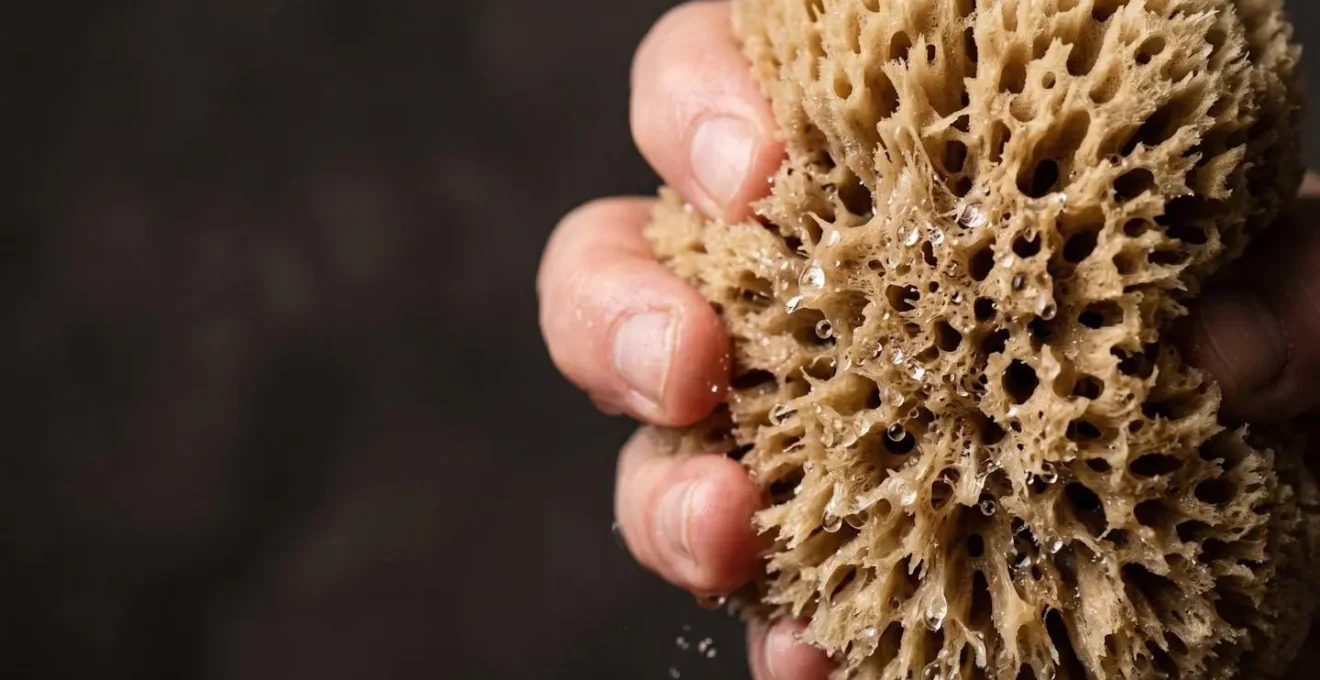
This is precisely why low-impact exercise is so critical. It allows you to perform this essential « squeeze and release » cycle without causing further damage. As research on aquatic therapy demonstrates that water provides a low-impact exercise environment, it creates the perfect conditions for this process. The buoyancy of water reduces the compressive load on the joints to a gentle, therapeutic level, allowing you to move freely and nourish your cartilage without the pain and impact of land-based activity.
Therefore, the solution to joint pain is not immobility, but the *right kind* of mobility. By embracing gentle, supportive movement in a hydrotherapy pool, you are not aggravating the problem; you are actively feeding your joints the nutrients they need to stay as healthy as possible. It is a proactive step towards breaking the cycle of pain and stiffness.
The next logical step is to translate this understanding into action. By seeking a professional assessment, you can get a personalised plan that uses the unique properties of water to help you regain strength, mobility, and quality of life.