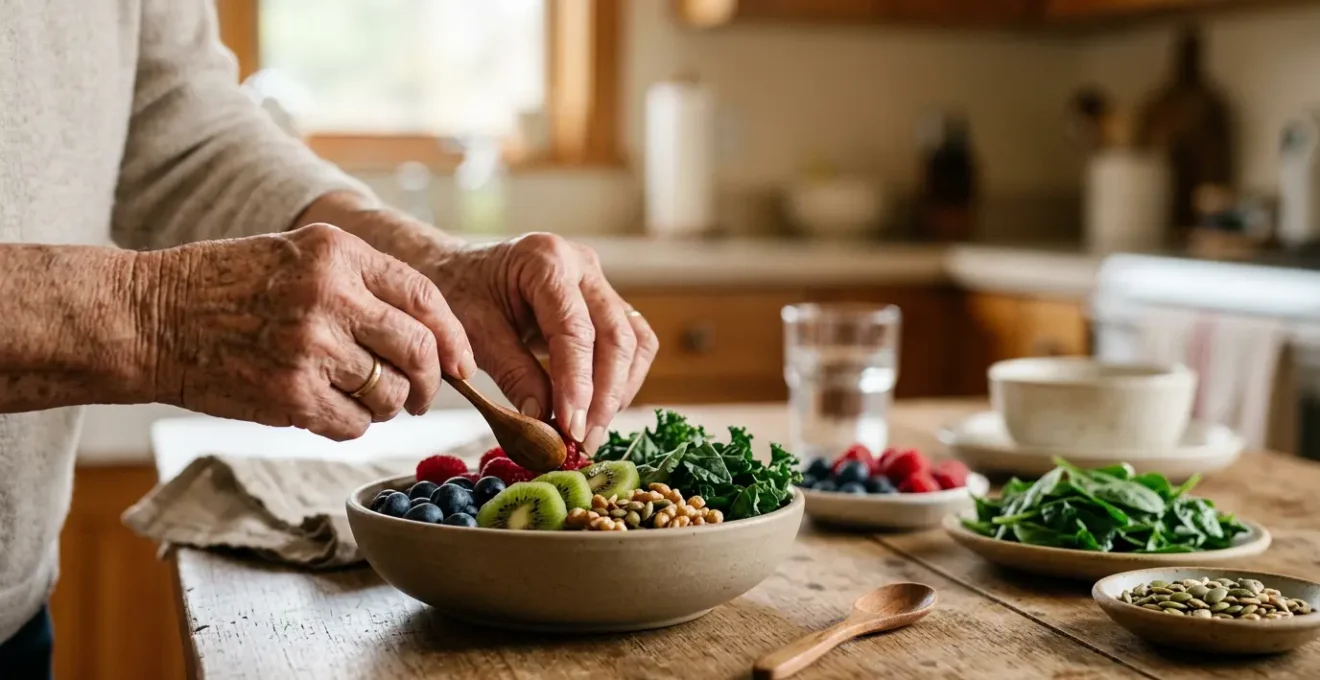
The key to nourishing a senior with a minimal appetite is not forcing more food, but making every mouthful work harder through ‘nutritional stealth’.
- Liquid nutrition from smoothies is more easily absorbed by the body than solid, empty calories from biscuits.
- Familiar foods like porridge can be fortified with up to 15g of protein without altering the taste or texture.
Recommendation: Start by swapping one daily biscuit for a nutrient-dense alternative or fortifying one meal. The goal is small, invisible upgrades, not a dramatic diet overhaul.
Watching a lovingly prepared meal return to the kitchen barely touched is a deeply frustrating experience for any carer. You know your parent or loved one needs to eat, but their appetite has vanished. The common advice—to offer small, frequent meals or simply add butter and cream—often falls short. It can feel like a losing battle against dwindling weight and increasing frailty, where every mealtime becomes a source of stress.
This struggle is compounded by the fact that as we age, our ability to absorb nutrients can decline, meaning the quality of what we eat becomes even more critical than the quantity. A diet that slowly becomes dominated by tea, toast, and biscuits can quickly lead to a state of being overfed yet undernourished, a fast track to malnutrition and the associated loss of muscle, strength, and independence.
But what if the solution wasn’t about trying to get them to eat *more*, but about making what they *do* eat exponentially more powerful? This guide shifts the focus from volume to value. We will explore the principles of nutritional stealth: the art of fortifying familiar, comforting foods and drinks in ways that are practically unnoticeable. It’s about working with, not against, their established routines and preferences to turn every small bite into a concentrated nutritional victory.
We’ll deconstruct why a simple smoothie is a nutritional powerhouse, reveal how to invisibly boost the protein in their morning porridge, and compare the real value of different ready-meal services. By understanding these practical strategies, you can build an ‘appetite architecture’ that maximises nutrition, supports their health, and restores a sense of dignity and enjoyment to eating.
Contents: How to Maximise Nutrition in Small Portions
- Why Does a 200-Calorie Smoothie Beat a 200-Calorie Biscuit for Preventing Frailty?
- How to Add 15g of Protein to Porridge Without Your Parent Noticing the Difference?
- Wiltshire Farm Foods vs Cook vs Supermarket Ready Meals: Which Delivers Most Nutrition Per Portion?
- The Snacking Pattern That Fills Seniors Up on Tea and Biscuits and Causes Malnutrition
- When Should You Eat Around Your Medications to Maximise Both Absorption and Appetite?
- How to Mould Pureed Chicken to Look Like a Chicken Breast Instead of Baby Food?
- Meals on Wheels vs Supermarket Delivery vs Batch Cooking by Family: Which Keeps Seniors Best Fed?
- Why Does Losing the Ability to Cook Lead to Malnutrition Within 6 Months?
Why Does a 200-Calorie Smoothie Beat a 200-Calorie Biscuit for Preventing Frailty?
On paper, 200 calories are 200 calories. But in the human body, especially an older one, the source of those calories makes all the difference between fuelling frailty and fighting it. A biscuit typically offers ’empty’ calories from refined flour and sugar, causing a brief energy spike followed by a crash. It provides little to no protein, vitamins, or minerals essential for muscle maintenance and immune function. A well-constructed 200-calorie smoothie, on the other hand, is a lesson in nutrient density and bioavailability.
The true magic of a smoothie lies in its form. The blending process physically breaks down the tough cellular walls of fruits and vegetables. This mechanical ‘pre-digestion’ is crucial because it enhances nutrient bioavailability, meaning the body can absorb more of the valuable vitamins and antioxidants with less digestive effort. In fact, research shows that blending improves the bioavailability of key compounds like carotenoids and polyphenols.

As this image illustrates, the nutrients are suspended within the liquid, ready for immediate absorption. For a senior who may have digestive issues, difficulty chewing, or poor nutrient uptake, this is a significant advantage. Furthermore, a smoothie is an ideal vehicle for fortification. A scoop of protein powder, a spoonful of nut butter, or a dash of flaxseed oil can be added to easily boost its protein, healthy fat, and fibre content, turning a simple drink into a complete, muscle-supporting mini-meal that a biscuit could never match.
How to Add 15g of Protein to Porridge Without Your Parent Noticing the Difference?
Porridge is a classic comfort food, but its familiarity can be a double-edged sword. Any noticeable change to its taste or texture can lead to instant rejection. The secret to fortifying it—a strategy we call ‘nutritional stealth’—is to use additives that are virtually undetectable. Adding 15 grams of protein, roughly the amount in two and a half eggs, can transform a simple carbohydrate breakfast into a powerful tool for muscle preservation.
Your three best allies for this mission are:
- Skimmed Milk Powder: This is the simplest starting point. Using milk powder to make the porridge not only adds protein and calcium but also gives it a creamier, richer texture that most people enjoy.
- Unflavoured Collagen Peptides: This powder dissolves completely in hot liquids without changing the taste or consistency, making it truly invisible. It’s also beneficial for joint and skin health.
- Unflavoured Whey Protein Isolate: This is the most potent protein source. The key is to choose an ‘isolate’ rather than a ‘concentrate’, as it has a cleaner taste and finer texture.
The crucial technique for any powder is to avoid lumps. Never dump the powder directly into the hot porridge. Instead, take a small cup and mix the powder with a few tablespoons of cold milk or water to form a smooth paste. Once the paste is lump-free, you can stir it into the cooked porridge. To mask any subtle aftertaste, add a familiar, comforting flavour like a sprinkle of cinnamon, a small spoonful of smooth apple purée, or a drop of vanilla essence. They will only notice their favourite breakfast tastes just as good as always.
Wiltshire Farm Foods vs Cook vs Supermarket Ready Meals: Which Delivers Most Nutrition Per Portion?
When home cooking isn’t an option, ready meals offer a vital lifeline. However, the nutritional gap between a specialist senior meal service and a standard supermarket ready meal can be vast. While brands like Wiltshire Farm Foods and Cook are designed with senior needs in mind, supermarket options are often created for a general audience with different health priorities. Choosing wisely requires looking beyond the front-of-pack claims and becoming a label detective.
While specific offerings change, a framework for comparison can help you make the best choice. This table, based on principles from a recent analysis of meal delivery services, highlights the key differences to watch for.
| Evaluation Criteria | Specialized Senior Services (Mom’s Meals, Magic Kitchen) | Meal Kit Services (Home Chef, HelloFresh) | Supermarket Ready Meals |
|---|---|---|---|
| Protein per 100 calories | Higher (medically tailored options available) | Moderate (varies by recipe selection) | Lower (typically 300-500 calories per meal) |
| Sodium content | Controlled (low-sodium options, 600mg or less recommended) | Variable (check nutrition labels) | Often higher (salt used as preservative) |
| Fiber content | Monitored for digestive health | Depends on ingredient selection | Generally lower |
| Texture options for dysphagia | Available (soft, pureed options) | Not specialized | Limited or not available |
| Cost per 10g protein | $2-3 (varies by service) | $2.50-4 (meal kit ingredients) | $1.50-2.50 (most economical) |
| Enhanceability | Easy to add olive oil, protein powder | Built-in customization during cooking | Limited (pre-sealed portions) |
Two factors are particularly critical: protein and sodium. Specialist services often provide higher protein content per meal and cater to specific dietary needs like soft or puréed textures. Sodium is a major concern in many pre-prepared foods, as it’s used as a preservative and flavour enhancer. As one expert advises:
Prepared meals tend to have a higher sodium content as salt helps preserve food and make it taste good. Piper recommends choosing a service that offers meals with 600 mg of sodium or less.
– Kathryn Piper, RDN, LD, Retirement Living
Ultimately, the « best » service depends on balancing nutritional needs, budget, and convenience. Specialist services often offer the best nutritional assurance, while supermarket meals may require more careful selection to avoid high sodium and low protein content.
The Snacking Pattern That Fills Seniors Up on Tea and Biscuits and Causes Malnutrition
The comforting ritual of a cup of tea and a biscuit is a cornerstone of British culture. Yet, for a senior with a small appetite, this seemingly harmless habit can be a primary driver of malnutrition. This phenomenon, sometimes called « tea and toast syndrome, » describes a pattern where individuals fill up on low-nutrient, easy-to-prepare foods, displacing their appetite for more substantial meals. The stomach feels full, but the body is starved of essential protein, vitamins, and minerals. This isn’t a niche issue; a Canadian health survey found that 34% of seniors were at nutritional risk, a situation often rooted in these exact dietary patterns.
The solution isn’t to ban the beloved tea break but to re-engineer it. Instead of empty calories, the goal is to make the snack work harder by pairing the familiar ritual with nutrient-dense additions. A simple swap or addition can transform the snack from a nutritional liability into an asset.
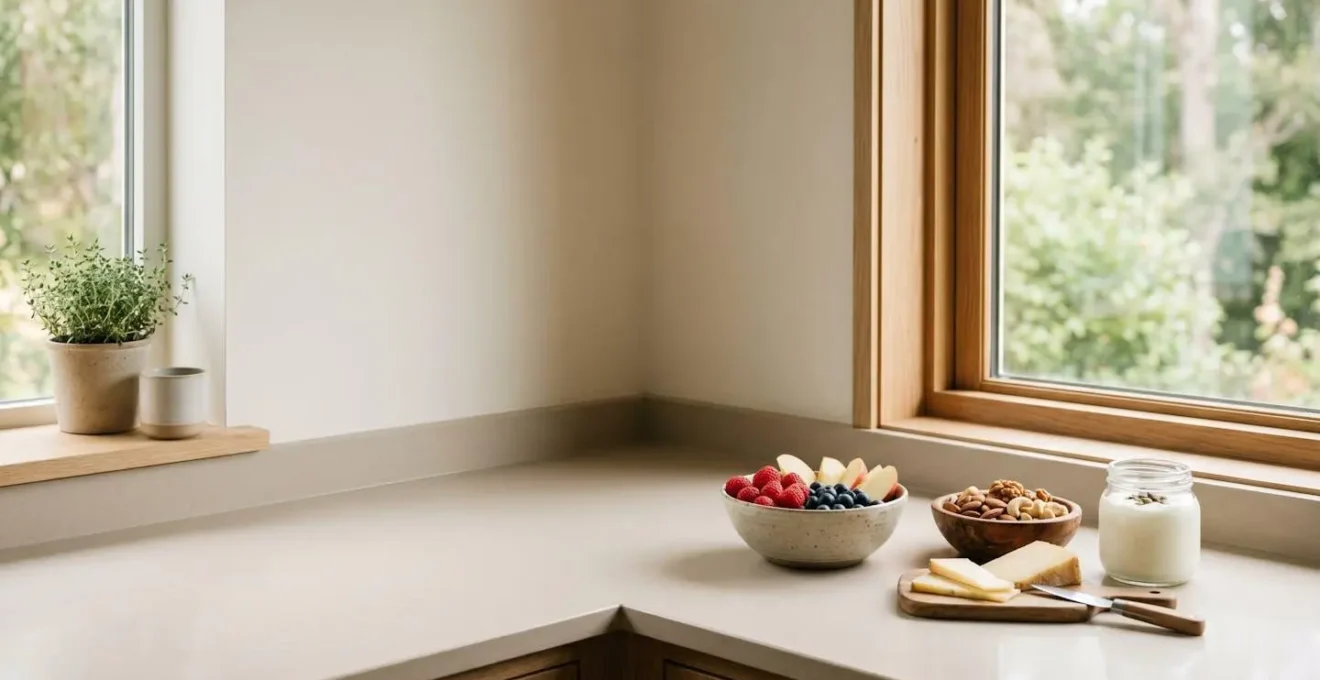
Breaking the cycle of empty-calorie snacking requires a strategic approach. It starts with auditing what’s currently being consumed and then systematically upgrading it. The following plan provides a clear path to transforming the tea-time ritual from a source of malnutrition into a valuable nutritional opportunity.
Your 5-Step Plan to Upgrade the Tea-Time Ritual
- Audit the Biscuit Tin: First, list all the regular snacks. Identify which are high in sugar and refined carbs (e.g., digestive biscuits, shortbread) and which could be easily swapped for higher-fibre or protein versions (e.g., oatcakes, whole-grain crackers).
- Identify Pairing Opportunities: Instead of just a biscuit, what could be added? Brainstorm a list of simple, no-cook pairings like a slice of cheese with a cracker, apple slices with a dab of peanut butter, or a small pot of Greek yoghurt.
- Fortify the Beverage: Review the hot drinks. Could you switch to fortified milk? Or add a scoop of unflavoured collagen peptides to the tea or coffee? This adds protein with zero change in taste.
- Analyse the Ritual: Consider the non-food elements. Is the biscuit a reward or a habit? Could the comforting part of the ritual be replaced with something else, like using a special mug, a premium tea blend, or scheduling a phone call during tea time?
- Map the Hidden Sugars: Finally, list other « empty » calorie sources consumed throughout the day, such as fruit squashes, fizzy drinks, or sweets. Create a plan to gradually reduce these to make more room for nutrient-dense foods.
When Should You Eat Around Your Medications to Maximise Both Absorption and Appetite?
For many seniors, managing a complex medication schedule is a daily reality. What is often overlooked is the profound interaction between these medications, appetite, and nutrient absorption. This is a critical piece of appetite architecture—the strategic timing of meals and meds to work in harmony. Some drugs must be taken on an empty stomach to be effective, while others require food to prevent nausea or aid absorption. Getting this timing wrong can not only reduce a drug’s efficacy but also suppress an already fragile appetite.
Certain medications are known appetite suppressants or can alter the sense of taste, making food unappealing. Thiazide diuretics, for example, can affect sodium levels, while some antidepressants can cause dry mouth or a metallic taste. A senior may not connect their loss of appetite to a new pill they started taking weeks ago, but the link is often direct. This is why a proactive conversation with a healthcare professional is not just helpful—it’s essential for preventing medication-induced malnutrition.
Your local pharmacist is an invaluable and accessible resource. They can perform a medication review and offer specific advice on timing. To make this conversation as productive as possible, go prepared with a list of targeted questions. This turns a general query into a focused consultation that can yield immediate, practical strategies.
Key Questions to Ask Your Pharmacist:
- Should this medication be taken on an empty stomach, with food, or with a specific type of food (e.g., a light snack)?
- How long before or after eating should each medication be taken to optimise its absorption?
- Are any of my current medications known to suppress appetite, alter taste, or cause nausea? What can we do to minimise these effects?
- Can the timing of my medications be adjusted to align with natural appetite peaks, which for many seniors is in the morning?
- Are there any specific foods or drinks (like grapefruit juice or dairy) I should avoid with my prescriptions?
- If side effects are a major issue, would switching to a different medication in the same class be a possibility to discuss with my GP?
–
How to Mould Pureed Chicken to Look Like a Chicken Breast Instead of Baby Food?
For someone with dysphagia (swallowing difficulties) who requires a puréed diet, mealtimes can become a demoralising experience. A plate of unidentifiable, different-coloured slops is not just unappetising; it can strip away the psychological pleasure and dignity associated with eating. The concept of ‘food dignity’ is about recognising that we eat with our eyes first. Making puréed food look like real food is a powerful act of care that can reignite interest in eating.
The transformation from mush to a recognisable meal involves a few simple techniques and tools, turning the kitchen into a place of creative and compassionate cooking. It’s about separating ingredients, shaping them, and plating them with intention. This process restores the visual cues our brains use to anticipate flavour and enjoy a meal, which can be a game-changer for a flagging appetite.
Here’s a practical, step-by-step guide to achieving this:
- Achieve the Right Consistency: The purée needs to be thick enough to hold its shape. After blending the cooked food (e.g., chicken, carrots, peas) separately, you can use a thickener. Natural options like instant potato flakes or fine breadcrumbs work well. Commercial food thickeners are also available and are often starch-based and flavour-neutral.
- Use Food Moulds: This is the key to creating recognisable shapes. Invest in a set of food-grade silicone moulds, which are widely available online. You can find them in shapes like chicken breasts, fish fillets, carrots, and broccoli florets. Simply press the thickened purée into the mould and then gently turn it out onto the plate.
- Plate with Intention: Arrange the moulded items on the plate just as you would a regular meal. Place the moulded ‘chicken breast’ next to the moulded ‘carrots’ and a scoop of green ‘pea’ purée. This visual separation is crucial for making the meal look like a complete dish.
- Add a Final Garnish: The final touch enhances the realism. A light sprinkle of paprika on the chicken purée can mimic roasted skin, while a tiny amount of finely chopped parsley or a swirl of gravy (thickened if necessary) can make the meal look incredibly appealing.
Meals on Wheels vs Supermarket Delivery vs Batch Cooking by Family: Which Keeps Seniors Best Fed?
Choosing the right meal solution for a senior is a complex decision that balances nutrition, cost, convenience, and social factors. There is no single « best » option; the most successful strategy often involves a hybrid approach tailored to the individual’s and family’s circumstances. Understanding the distinct advantages and disadvantages of each service is the first step toward building a sustainable and nourishing meal plan.
To make an informed decision, it’s helpful to evaluate each option across several key factors. This framework, based on insights from a guide to home-delivered meals for seniors, breaks down the trade-offs involved.
| Factor | Meals on Wheels / Community Programs | Supermarket Delivery | Family Batch Cooking |
|---|---|---|---|
| Nutritional Control | Moderate (standardized menus, dietitian-approved but limited customization) | High (full control over ingredients if caregiver shops wisely) | Highest (complete control of ingredients, portions, and preparation methods) |
| Caregiver Time & Stress | Lowest (no preparation required) | Moderate (requires online ordering, receiving delivery) | Highest (significant time for shopping, cooking, portioning, freezing) |
| Social & Welfare Check-in | Highest (volunteers provide daily human contact and safety check) | Minimal (delivery driver contact only) | Moderate to High (depends on family visit frequency during delivery) |
| Total Financial Cost | Low to Free (often sliding scale, donation-based, or covered by OAA programs; 251 million meals served annually) | Moderate (grocery costs plus delivery fees not covered by SNAP) | Variable (ingredient costs only, but includes caregiver time investment) |
Often, the most effective solution is not to choose one, but to combine them. This « hybrid » strategy leverages the strengths of each service to create a comprehensive support system.
Case Study: The Hybrid Meal Strategy
A successful approach combines multiple solutions: Meals on Wheels provides weekday lunches, offering both nutrition and critical daily welfare checks by volunteers. Family members prepare batch-cooked, frozen dinners on weekends, allowing for customization to dietary preferences and favorite recipes. Supermarket delivery supplements with fresh fruits, dairy, and easy-prep items the senior can handle independently. This hybrid strategy scored highest on independence maintenance, with 93% of seniors in OAA Nutrition programs reporting that home-delivered meals help them remain in their own homes.
Key Takeaways
- Effective senior nutrition is about ‘nutritional stealth’: invisibly fortifying familiar foods, not forcing new ones.
- The timing of meals around medication and the visual appeal of food are just as important as the ingredients themselves.
- There is no single ‘best’ meal solution; a hybrid approach combining family cooking with professional services is often the most sustainable.
Why Does Losing the Ability to Cook Lead to Malnutrition Within 6 Months?
The loss of the ability to cook is far more than an inconvenience; it is a critical trigger event that can initiate a rapid spiral into malnutrition. For many older adults, cooking is a keystone habit that structures their day, provides sensory stimulation, and reinforces their sense of independence and purpose. When this ability is lost—due to a fall, worsening arthritis, or cognitive decline—the downstream effects on nutrition are swift and severe. The risk is significant and growing; according to Singapore’s public health agency, around 40% of hospitalized patients in 2025 are projected to be at risk of malnutrition, the majority being over 65.
The decline isn’t just about the practical difficulty of preparing a meal. It’s a complex cascade that dismantles the very architecture of appetite. The loss of what we might call ‘sensory scaffolding’—the enticing smells from the oven, the rhythmic sound of chopping, the visual pleasure of preparing ingredients—removes the primary cues that stimulate our desire to eat. This is then compounded by a shift to monotonous, easy-access convenience foods that are often low in protein and other vital nutrients.
The Cascade from Cooking Loss to Severe Malnutrition
A 68-year-old woman’s experience illustrates the rapid decline. After a fall in the kitchen eliminated her ability to stand long enough to cook, her daily intake shifted to bread and jam for breakfast, simple purchased soup for lunch, and biscuits for dinner. This progression demonstrates how losing cooking ability triggers a cascade: initial injury → reduced kitchen confidence → shift to convenience foods low in protein → progressive muscle weakness (sarcopenia) → further mobility loss → deeper social isolation and appetite suppression → accelerated malnutrition within months. The psychological impact of losing a core life skill and social role as a provider of food further compounds the nutritional decline.
This cascade explains why intervention must be swift when a senior stops cooking. It’s not a simple matter of providing food; it’s about replacing the structure, sensory input, and nutritional quality that has been lost. Without a robust plan involving family, community services, or meal delivery, malnutrition is not just a risk, but an almost inevitable outcome within a matter of months.
Begin by auditing one meal or snack this week. Apply a single ‘nutritional stealth’ tactic—whether it’s fortifying porridge, swapping a biscuit, or simply re-plating a meal with dignity—and observe the difference it can make to their health and your peace of mind.