Support and autonomy
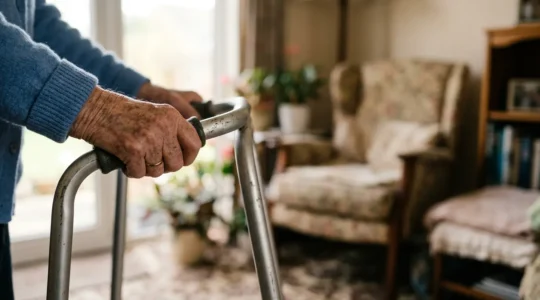
Why Does 1 in 3 UK Home Care Packages Fail Within 6 Months of Starting?
Contrary to common advice, a ‘Good’ CQC rating does not guarantee a stable care package. Failure is often caused by unexamined operational flaws in the contract. Systemic issues like 15-minute visits and high carer rotation are the primary drivers of…
Read more
Why Does 40% of Fall Detection Technology Fail When Seniors Actually Fall?
True safety isn’t in the device; it’s in the system. The shocking 40% failure rate of fall alarms stems from focusing on the gadget instead of the hidden weak links in the overall safety chain. Device accuracy is a myth…
Read more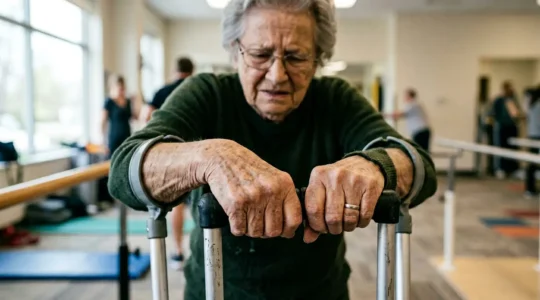
Why Do 50% of Crutch Users Develop Wrist Problems Within 6 Weeks?
The persistent wrist, hand, and shoulder pain many seniors experience from crutches isn’t an inevitable side effect; it’s a direct result of improper technique. The common belief that crutches are simple props is dangerously flawed. This guide reframes crutch walking…
Read more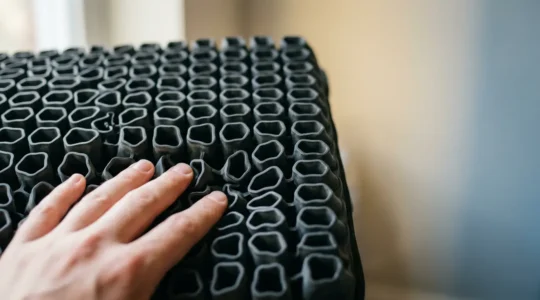
Why an Incorrect Wheelchair Width Leads to Pressure Sores in Under 3 Months
An incorrectly sized wheelchair is not a matter of comfort; it is a direct cause of serious, preventable medical harm like pressure sores. A chair that is too wide allows for poor posture, leading to shear forces and skin breakdown….
Read more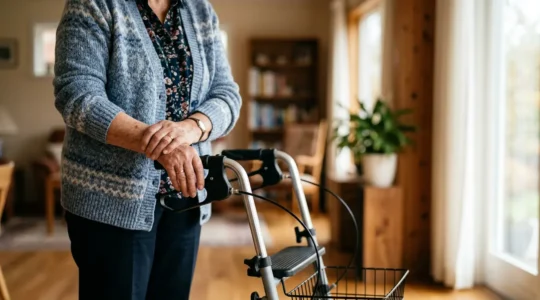
Why Do 70% of Rollator Users Never Adjust the Handle Height After Purchase?
The common belief is that a rollator is just simple support; the reality is it’s a calibrated tool that, when set up incorrectly, can accelerate physical decline. Incorrect handle height forces a hunched posture, leading to spinal degeneration and muscle…
Read more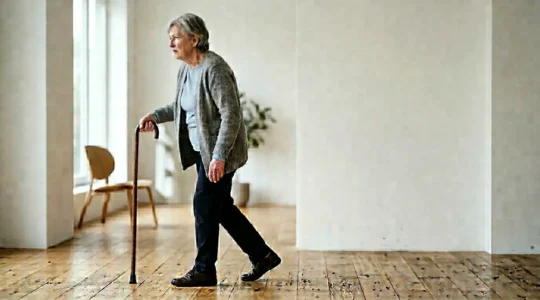
Why Does Using the Wrong Cane Height Add 5 Years to Your Apparent Frailty?
That new walking cane, bought to provide stability, may be the direct cause of your new wrist, shoulder, or back pain. An incorrect height forces your body into a state of continuous biomechanical stress. A cane that is too high…
Read more
Why Does an Occupational Therapist See Solutions Your GP Might Overlook?
Contrary to common belief, occupational therapy isn’t just a reactive measure after a hospital stay; it’s a proactive strategy for re-engineering daily tasks to maintain your independence and identity at home. An OT focuses on adapting the *activity* and *environment*…
Read more
Why a Written Care Plan Is Your Best Defence Against Hospital Readmission
A hospital care plan is not a passive document; it’s a strategic tool you must actively co-create and audit to prevent dangerous gaps in your care after discharge. Fragmented care between specialists and GPs is a primary driver of A&E…
Read more
Why Does the Average UK Senior Lose Independence 5 Years Earlier Than Necessary?
After a fall or a health scare, the conversation in many British families quickly turns to one difficult topic: is it time for a care home? It’s a question filled with anxiety, for both the senior who values their independence…
Read more