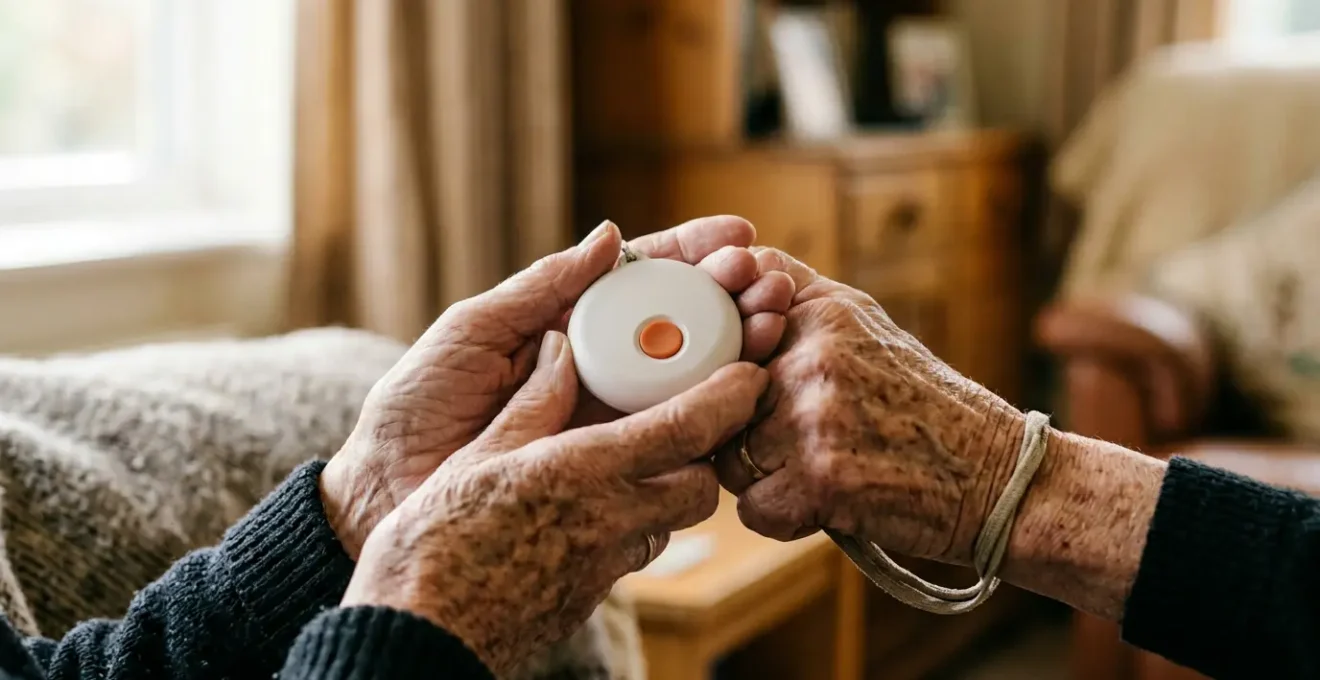
A personal alarm’s effectiveness isn’t determined by its technology, but by the user’s trust and habits built long before an emergency.
- Non-use often stems from deep psychological barriers like denial and perceived stigma, not just forgetfulness.
- Reliability depends on an entire « response ecosystem »—including regular testing and family coordination—not just the button itself.
Recommendation: To ensure your safety, you must actively participate in choosing, testing, and integrating the device into your daily life to build systemic trust.
You’ve been given a personal alarm pendant. Perhaps it was a well-meaning gift from family or a provision from the local council. It promises peace of mind, a direct line to help should you fall or feel unwell. Yet, for many, this small device ends up not around their neck, but tucked away in a bedside drawer. The common assumption is that this is a simple issue of vanity or forgetfulness. People say, « it’s clunky, » « I don’t want to look old, » or « I just forget to put it on. » While these feelings are valid, they are merely symptoms of a much deeper issue.
The real reason a telecare pendant fails is not a lack of technology, but a breakdown in trust and habit. Treating the device as a passive object you only think about in a crisis is a fundamental mistake. A pendant is not a magic amulet; it’s the final link in a chain of human behaviour and system reliability. Its power is only unlocked when it becomes an integrated part of your daily routine, as automatic as putting on your glasses.
This guide moves beyond the surface-level excuses. We will deconstruct the « press the button » fallacy by exploring the crucial moments after an alarm is triggered, the psychology that keeps pendants in drawers, and the practical systems you must build to create a safety net that you can truly depend on. We will explore why simply owning a pendant isn’t enough, and how to transform it from a symbol of vulnerability into a tool of genuine independence.
This article will guide you through the essential components of making your telecare system effective. The following sections break down everything from the immediate response process to the long-term strategies for living safely at home.
Summary: Why Does a Telecare Pendant Only Work If You Actually Press the Button?
- What Happens in the 3 Minutes After You Press Your Pendant Alarm Button?
- How Often Should You Test Your Pendant Alarm to Make Sure It Actually Works?
- Council Lifeline Service vs Private TEC Provider: Which Responds Faster in an Emergency?
- The Vanity and Denial That Keeps 50% of Pendants in Drawers Instead of on Wrists
- When Should You Upgrade from Manual Pendant to Automatic Fall Detection Technology?
- Pendant vs Wristband vs Apple Watch: Which Fall Detector Do Seniors Actually Wear Consistently?
- What Are the 7 Systems You Must Coordinate to Keep Someone Home Instead of in a Care Home?
- Why Does 40% of Fall Detection Technology Fail When Seniors Actually Fall?
What Happens in the 3 Minutes After You Press Your Pendant Alarm Button?
The moment you press the button on your pendant is not the end of the process; it is the beginning of a highly coordinated sequence designed for rapid intervention. Understanding this « response ecosystem » is the first step in building the systemic trust needed to wear the device consistently. It’s not a call into the void; it is an activation of a professional and practised protocol. The fear of the unknown—what happens next, who will answer, will they understand—is a major barrier to use. Demystifying these few minutes is crucial.
Immediately after the button is pressed, a signal is sent from your base unit to a 24/7 monitoring centre. Within seconds, a trained operator answers. Their first priority is to establish communication through the powerful speaker and microphone in your base unit. They will ask clear, direct triage questions like, « Are you injured? » and « What happened? » to quickly assess the situation. Even if you cannot speak, the protocol is designed to protect you. This is a key point: a silent or unresponsive call is treated as a genuine emergency by default, and help is dispatched immediately.
While speaking with you, the operator simultaneously accesses your pre-registered information. This includes your address, medical conditions, allergies, and the contact details for family, friends, or neighbours. This allows them to provide paramedics with vital context before they even arrive. The operator stays on the line, offering reassurance and instructions until help is physically with you. The entire process is a seamless blend of technology and human empathy, designed to remove guesswork and deliver a fast, informed response. Knowing this professional system is waiting on the other side can transform the pendant from an object of anxiety into a lifeline of confidence.
How Often Should You Test Your Pendant Alarm to Make Sure It Actually Works?
A personal alarm is like any other piece of critical safety equipment: it requires regular checks to ensure it’s functioning correctly. The most common recommendation from telecare providers is to test your pendant alarm once a month. This simple routine serves two vital purposes. Firstly, it confirms the technical aspects: that the battery is charged, the signal reaches the base unit from all areas of your home, and the base unit successfully connects to the monitoring centre. It’s essential to test it from various locations, including the bathroom, as many modern pendants are waterproof and designed for use in the shower.
Secondly, and just as importantly, monthly testing builds « habit integration » and reduces the fear of using the device. Many people worry about triggering a false alarm and causing a fuss. This fear can lead to « response hesitation » during a real emergency. Regular testing normalises the process. You become familiar with the operator’s voice and the sequence of events, reinforcing that you are in control. As telecare provider SureSafe Alarms notes, this is not something to be anxious about.
Don’t worry if you press the button by mistake on your pendant alarm for the elderly. Simply wait for the 24/7 response operator, or your family member if you have a family monitored alarm, to talk to you via the base unit or alarm, and let them know that it is a false alarm.
– SureSafe Alarms, SureSafe Personal Alarms FAQ
This reassurance is key. By making a test call part of your monthly routine—perhaps on the first day of every month—you demystify the technology and build confidence. You are not a passive user; you are actively maintaining your own safety net. This proactive approach ensures that when you truly need it, pressing the button is a familiar, confident action, not a moment of panic and uncertainty.
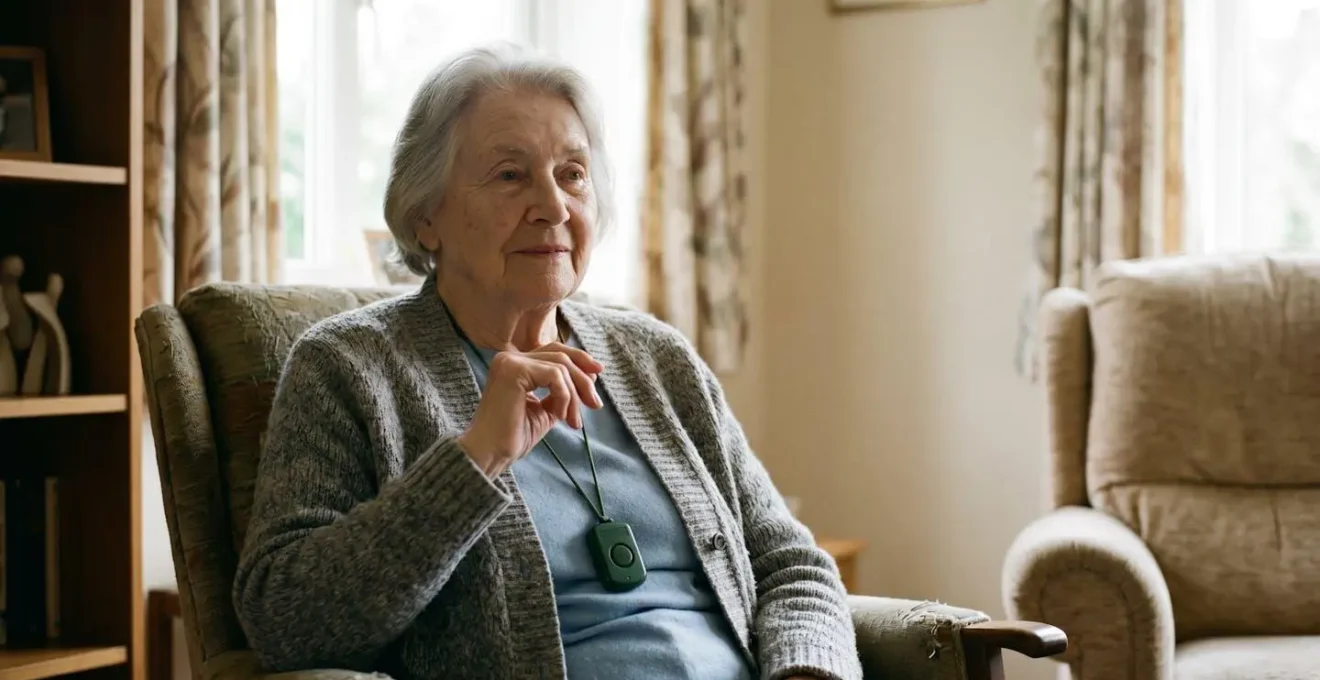
This regular interaction turns the alarm from a remote concept into a tangible, reliable tool. It confirms the system works and reinforces your ability to use it correctly, which is fundamental to overcoming the psychological barriers to wearing it every day.
Council Lifeline Service vs Private TEC Provider: Which Responds Faster in an Emergency?
When choosing a telecare service, a common question arises: should you go with the local council’s ‘Lifeline’ service or a private Technology Enabled Care (TEC) provider? The answer isn’t simply about response speed, as both are typically held to high standards by the TEC Services Association (TSA). The decision rests on a balance of cost, technology, and the type of support you need. Council services are often the first port of call, but access usually requires a care needs assessment to determine eligibility and potential subsidies. This can be a slower process but may result in a more affordable or even free service for those who qualify.
Private providers, on the other hand, offer direct-to-consumer access. You can typically purchase and set up a system immediately, with clear, transparent subscription costs. These providers often lead the way with newer technology, offering a wider range of devices beyond the standard pendant, such as smartwatches with fall detection, mobile GPS units, and integrated smart home sensors. This can be a significant advantage if you’re looking for a more modern, discreet, or feature-rich solution. While a council may provide a solid, reliable basic service, a private company might offer more customisation to fit your specific lifestyle and aesthetic preferences.
The core difference often lies in integration and equipment. A council service is deeply integrated with local authority social care and health teams, which can be beneficial for holistic care management. Private providers focus on technological innovation and consumer choice. The following table breaks down the key distinctions to help you decide which path aligns best with your needs and priorities, based on information from leading advisory bodies.
As guidance from organisations like Age UK suggests, the choice depends on individual circumstances. A detailed comparison reveals the trade-offs between the two models.
| Factor | Council/Local Authority Service | Private Provider |
|---|---|---|
| Cost Structure | May be subsidized based on means test; financial assessment determines eligibility for cost support | Monthly or annual subscription (typically £18-40/month); transparent pricing |
| Technology | Mix of analogue and digital; transitioning to digital by 2027 | Often newer IP-based and digital systems; future-proofed |
| Integration | Direct links to local authorities, social care teams, health records | Newer devices with GPS, fall detection, mobile apps, customization |
| Equipment Options | Standard pendant and base unit; limited accessories | Wide range: smartwatches, mobile devices, multiple pendant styles |
| Monitoring Center Accreditation | TSA accredited (135 UK monitoring teams accredited) | Most reputable providers are TSA members; some QSF certified |
| Access Process | Requires care needs assessment by council | Direct purchase; immediate setup |
The Vanity and Denial That Keeps 50% of Pendants in Drawers Instead of on Wrists
The single greatest point of failure in any telecare system is the human one. A significant percentage of personal alarms are not worn, and the reasons often cited—vanity and denial—are powerful psychological barriers. The traditional, functional design of many pendants can feel stigmatising, acting as a visible marker of age and frailty. For an individual who has spent a lifetime cultivating an image of independence and capability, wearing such a device can feel like a concession, an admission of a vulnerability they are not ready to accept. This is not simple vanity; it is a profound identity conflict.
Denial works in tandem with this. It’s the « it won’t happen to me » mindset. A person may intellectually understand the risk of a fall but emotionally disconnect from that possibility. In their mind, the alarm is for ‘old people’, and they do not yet see themselves in that category. The pendant in the drawer is a physical manifestation of this denial. By not wearing it, they can maintain their self-image as a capable, independent person who doesn’t need that kind of help. This psychological defence mechanism is incredibly strong and cannot be overcome with simple nagging or logical arguments from family members.
The solution lies in shifting the narrative from a medical necessity to a lifestyle choice. Modern providers are increasingly recognising this, offering devices that are more discreet, stylish, or integrated into familiar forms like watches. As research consistently shows, aesthetics matter because they directly impact behaviour. The SafeHome Research Team highlights this connection perfectly.
users who like how their necklace looks wear it more consistently—which ultimately improves their safety
– SafeHome Research Team, Best Medical Alert Systems Worn as Necklaces 2026
Overcoming this barrier requires empathy and empowerment. It means acknowledging the user’s feelings about their identity and involving them in the choice of a device they feel comfortable with. When a person chooses their own alarm based on a style they like, it ceases to be an imposed symbol of decline and becomes a personally chosen tool for maintaining an active, independent life.
When Should You Upgrade from Manual Pendant to Automatic Fall Detection Technology?
A standard pendant alarm relies on a crucial action: you must be conscious and able to press the button after a fall. However, some falls result in a loss of consciousness or an injury that prevents you from activating the alarm. This is where automatic fall detection technology becomes a critical upgrade. These devices contain sensors, like accelerometers, that are designed to identify the specific speed and impact signature of a hard fall, triggering an alarm automatically without any user interaction.
The decision to upgrade should be driven by a clear-eyed assessment of changing risk factors. It’s not about age, but about specific health conditions and circumstances. A key trigger is any medical diagnosis that carries a risk of fainting or sudden loss of consciousness, such as epilepsy, cardiac arrhythmias, or vasovagal syncope. Similarly, if you or a loved one are experiencing cognitive decline or memory issues, remembering to press a button during the disorienting moments of a fall can become unreliable. An automatic system provides a vital backup in these scenarios.
While the technology is not infallible—rigorous testing has found that leading devices can detect around 80% of test falls accurately—it provides an essential layer of additional protection for those at highest risk. A « near-miss » event, where a fall occurred and the person was unable to press their button, is a definitive sign that an upgrade is necessary. By proactively assessing these triggers, you can make an informed decision to enhance your safety net before a critical event occurs.
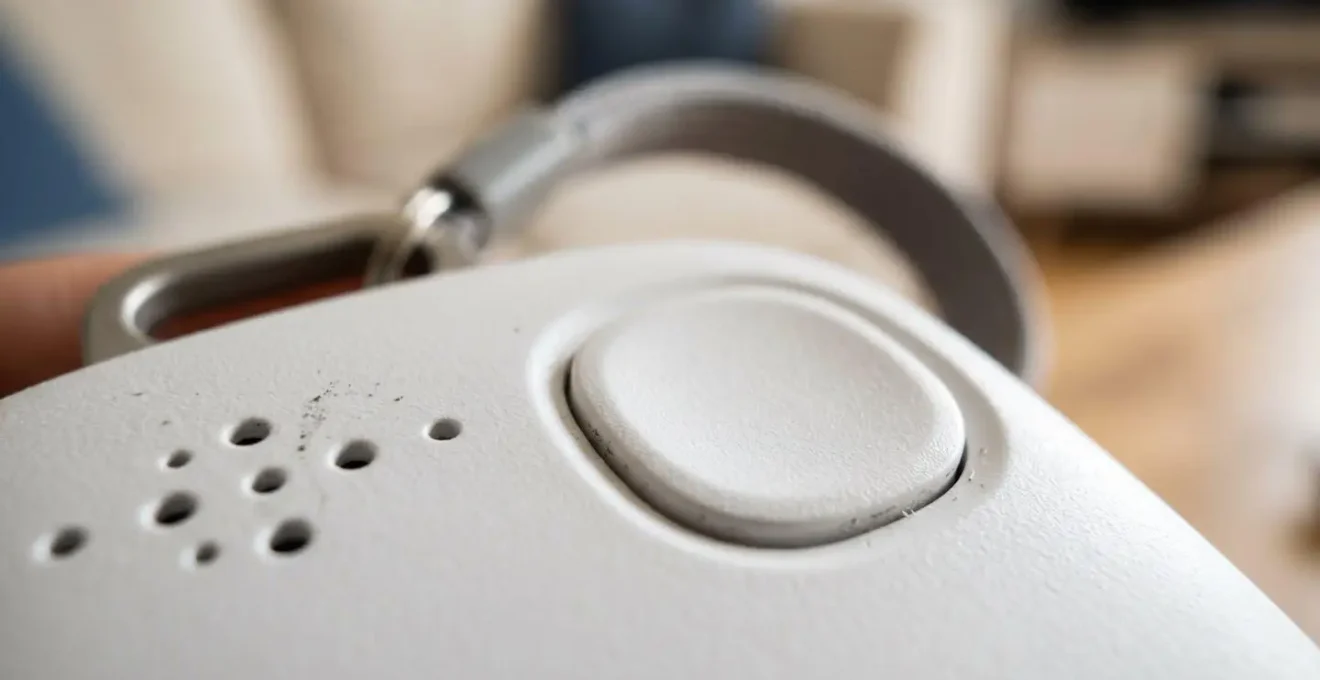
The following framework can help you determine if the time is right to move to an automatic system.
Your action plan: Deciding on an upgrade to fall detection
- Medical Triggers: Have you been diagnosed with a condition that causes fainting or loss of consciousness (e.g., epilepsy, syncope, cardiac issues)? If yes, upgrade.
- Cognitive Assessment: Is there a growing concern about memory or the ability to react during an emergency due to cognitive decline? If yes, upgrade.
- Review Past Incidents: Has there been a fall or near-miss where the button was not, or could not be, pressed? If yes, upgrade immediately.
- Mobility & Dexterity Check: Is declining physical dexterity making it difficult to perform small motor tasks like pressing a button? If yes, consider an upgrade.
- Evaluate Living Situation: Has your daily social contact been reduced, or have you recently started living completely alone? If yes, the added security is worth considering.
Pendant vs Wristband vs Apple Watch: Which Fall Detector Do Seniors Actually Wear Consistently?
The most effective fall detector is the one that is actually worn. While technology and accuracy are important, consistency of use trumps all other factors. The choice between a traditional pendant, a wristband, or a mainstream device like an Apple Watch is highly personal and tied directly to the psychological barriers of identity and stigma. There is no single « best » form factor; there is only the best one for the individual user. The key to consistent wear is not forcing a solution, but offering a choice.
The traditional pendant, worn around the neck, is often considered the most accurate for fall detection as it is positioned centrally on the torso. However, it is also the most visible and, for many, the most stigmatising. It can interfere with clothing and jewellery and is a constant physical reminder of its purpose. The wristband offers a more discreet alternative, resembling a watch or a fitness tracker. It’s less intrusive and more socially acceptable for many, but its position on the wrist can sometimes lead to more false alarms (e.g., from waving an arm quickly) and potentially lower accuracy for certain types of falls.
The Apple Watch and other smartwatches represent a significant shift. They integrate fall detection into a desirable, mainstream consumer product that carries no stigma. For a tech-savvy individual who already uses or wants a smartwatch for its other features (communication, fitness tracking, etc.), this can be the perfect solution. The device’s primary identity is not as a medical alarm, making it far more likely to be worn. The trade-off is often higher cost, the need for regular charging (daily), and a reliance on being paired with a smartphone. As research from Elder Care confirms, the crucial factor is empowerment through choice.
The highest rate of consistent wear is achieved when the senior is given a choice and is an active participant in the selection process, rather than having a device imposed on them.
– Elder Care Research, How to Choose the Right Personal Alarm for Seniors
Ultimately, the conversation should not be « Here is your alarm, » but rather, « Let’s look at the options together. » Presenting the pros and cons of each style and allowing the user to select the one that best fits their lifestyle, comfort, and self-image is the most effective strategy for ensuring the device is on their person, not in a drawer.
What Are the 7 Systems You Must Coordinate to Keep Someone Home Instead of in a Care Home?
The desire to age in place is nearly universal. Indeed, research shows that over 90% of older people want to continue living in their own home for as long as possible. A telecare pendant is a cornerstone of making this a reality, but it is a mistake to think it can work in isolation. To truly create a safe and sustainable environment for independent living, the alarm must be seen as the central hub of a much wider, integrated network. This « response ecosystem » consists of seven interconnected systems that work together to manage risk and provide comprehensive support.
Thinking of safety in these systemic terms moves beyond a simple button press and creates a robust framework that accounts for emergencies, daily routines, and social well-being. The first system is the Emergency Response itself—the telecare monitoring we’ve discussed. But what happens when responders arrive? This brings in the need for a Secure Access system, such as a police-accredited key safe, to allow emergency services entry without causing damage. Simultaneously, a Communication Network of family and caregivers should be notified, ensuring everyone is aware of the situation.
Beyond emergencies, a truly safe home requires proactive monitoring. This includes Environmental Sensors (for smoke, floods, or gas) linked to the telecare system and Daily Living Supports like automated medication reminders or activity monitors that can flag a lack of movement. Finally, safety is not just about preventing harm; it’s about promoting well-being. The final systems focus on Social Connection to combat isolation, which is itself a major health risk. These seven systems together form a holistic safety net, with the personal alarm acting as the central nervous system.
Your checklist: The 7 integrated systems for independent living
- Emergency Response: A 24/7 monitored telecare alarm with two-way communication is the core. Is it in place and tested?
- Smart Home Integration: Can the system trigger other actions, like turning on lights to guide responders?
- Secure Access: Is there a key safe or smart lock with its code registered with the monitoring centre?
- Communication Network: Is there a clear plan for notifying family and neighbours when an alarm is triggered?
- Environmental Sensors: Are smoke, flood, and gas detectors integrated with the telecare service for automatic alerts?
- Daily Living Support: Are systems for medication reminders or daily check-in calls established?
- Social Connection: Are arrangements for meal delivery, transport, or community activities in place to prevent isolation?
Key Takeaways
- Habit Over Technology: The effectiveness of a personal alarm depends less on its features and more on its successful integration into a daily, automatic routine.
- Trust is Built, Not Given: Confidence in the system is created through active participation, including choosing a device you like and testing it monthly to demystify the process.
- It’s an Ecosystem, Not a Gadget: A pendant is only one part of a larger safety net that must include secure access for responders, family communication plans, and environmental sensors.
Why Does 40% of Fall Detection Technology Fail When Seniors Actually Fall?
Automatic fall detection offers a crucial safety net for individuals who might be unable to press their alarm button. However, it’s vital to have a realistic understanding of its limitations. The widely cited « 40% failure rate » isn’t a single number but reflects a complex reality: not all falls are the same, and technology struggles to detect certain types. Devices are typically calibrated to detect hard, fast falls—those involving a significant and sudden change in height and impact. They are much less effective at detecting « slow » or « sliding » falls, such as when a person slumps down a wall or gradually lowers themselves to the floor due to weakness or dizziness.
As a comprehensive survey of fall detection systems found, the challenge is distinguishing deliberate actions like sitting down quickly or lying on the floor from a genuine fall. This leads to a trade-off: if a device is too sensitive, it will generate a high number of false alarms, eroding user trust. If it’s not sensitive enough, it will miss real emergencies. The consequences of a missed fall are severe; the longer a person is on the floor, the higher the risk of complications like hypothermia, dehydration, and pressure sores. Indeed, a « long lie » is a major medical concern.
The importance of effective detection cannot be overstated. Sobering research on the impact of fall detection highlights a 67% mortality rate for individuals left helpless for over 72 hours, compared to just 12% for those found in under an hour. While no technology is perfect, you can significantly improve its reliability by following best practices for wearing and maintenance. This active management is a crucial part of the « systemic trust » you must build with your device.
Your action plan: How to reduce the fall detection failure rate
- Verify Correct Positioning: Ensure a pendant is worn outside clothing at chest (sternum) height. A wristband must be snug, not loose.
- Understand Device Limits: Recognise that slow slides are less likely to be detected. Plan to manually press the button if you can.
- Conduct Monthly Tests: Use the test function to confirm the device is communicating with the monitoring centre and its battery is healthy.
- Maintain Full Charge: Follow the manufacturer’s guidelines for charging. A low battery significantly impairs sensor performance.
- Adopt a Dual-Mode Mentality: Even with automatic detection, always try to press the button manually if you are able. Human activation remains the most reliable signal.
To ensure your safety net is truly reliable, the most important step is to proactively assess your own device, habits, and the broader support system around you. By understanding the technology’s limits and taking an active role in its use, you transform it from a passive gadget into an empowered tool for independence.